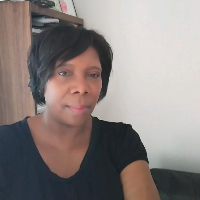
About Daphne
Daphne Jones-Gooden is a Licensed Professional Counselor who brings 12 years of experience to her practice in Michigan. She focuses on helping people with stress, anxiety, depression, mood disorders, and life transitions. Daphne uses straightforward language and practical strategies so conversations feel clear and useful from the first session.
Her work often centers on parenting and family tensions, caregiver stress, and the effects of trauma and loss. She also supports people facing addiction, bipolar disorder, ADHD-related difficulties, and struggles with self-esteem or body image.
Background and approach
Sessions aim to identify small, manageable changes that add up over time. Daphne uses approaches such as Cognitive Behavioral Therapy, Dialectical Behavior Therapy, Motivational Interviewing, and Solution-Focused Therapy. These methods are applied in ways that fit each person’s situation rather than following a fixed script.
She helps clients set goals and track progress during and between sessions. Her style is collaborative and task-oriented. Daphne often breaks problems into concrete steps and teaches skills people can use right away.
She balances practical tools with attention to feelings and relationship patterns. People who come to her usually want clear strategies and steady support while navigating hard changes. Daphne invites clients to name priorities and works alongside them to move toward those goals one step at a time.
Approaches that guide online sessions
CBT, or Cognitive Behavioral Therapy, focuses on identifying unhelpful thoughts and testing them with practical behavior changes. It is often used for anxiety, depression, OCD symptoms, and mood management. DBT, or Dialectical Behavior Therapy, teaches skills in emotion regulation, distress tolerance, and interpersonal effectiveness. It can help with intense emotions, impulsivity, and relationship strain.Choosing the right approach is part of the work. Daphne will talk with each person about goals, past experiences, and what feels most useful. Together they decide which methods to try and adapt them as progress is made, so therapy stays responsive and relevant.
Online formats include video calls, phone sessions, live chat, and text-based messaging. Video is useful for face-to-face conversation and skill demonstrations. Phone sessions can be a good fit when bandwidth is limited or a shorter check-in is needed. Chat and messaging support brief updates, tracking goals between sessions, and flexible communication during busy days. These options make it easier to fit therapy into work, childcare, or other routines while keeping focus on practical tools and steady progress.
Questions people ask
What concerns does Daphne address?
What is her therapeutic style like?
How long has she been practicing?
Where is she licensed and located?
Which languages are supported?
What session formats are available?
How does payment and cost work?
How do I begin working with her?
What this counselor works with
Most often
- Stress, Anxiety
- Relationship issues
- Family conflicts
Also listed
- Abandonment
- Addictions
- ADHD
- Aging and geriatric issues
- Anger management
- Bipolar disorder
- Blended family issues
- Body image
- Career difficulties
- Caregiver issues and stress
- Coaching
- Compassion fatigue
- Coping with life changes
- Depression
- Domestic violence
- Drug and alcohol addiction
- Family problems
- Grief
- Impulsivity
- Life purpose
- Midlife crisis
- Mood disorders
- Obsessions, compulsions, and OCD
- Parenting issues
- Post-traumatic stress
- Self esteem
- Self-love
- Trauma and abuse
- Women's issues
- Young adult issues
Therapeutic approaches
- Experience
- 12 years
- Licensed
- Michigan
- Languages
- English