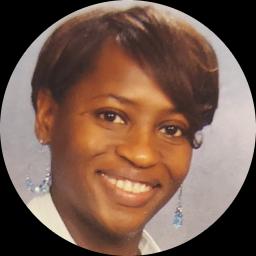
About Charron
Charron Brasher is a Licensed Professional Counselor (LPC) who focuses on practical support for stress, anxiety, addiction concerns, and relationship struggles. She speaks plainly with clients and aims to make starting therapy less overwhelming. Her style is warm and respectful while staying focused on real change.
With 17 years in the field, she draws on long experience helping people who face low self-esteem, depression, anger, and career pressures. She also helps clients manage bipolar mood challenges, compassion fatigue, and life transitions.
Background and approach
Charron addresses both emotional symptoms and day-to-day problems that get in the way of feeling stable or motivated. She listens first and then tailors the plan to a person’s needs. That might mean practical coping tools for anxiety, clearer communication strategies for relationship problems, or steps to reduce drug or alcohol use.
Work often includes goal-setting, skill practice, and reviewing progress in short, understandable steps. Charron also helps with issues such as codependency, commitment concerns, forgiveness, guilt and shame, and feelings of emptiness or isolation. She supports people dealing with infidelity, impulsivity, and midlife questions about purpose and direction.
Sessions are offered in English and are arranged around what fits the client’s life. Charron practices in Pennsylvania and uses a collaborative approach that keeps the client’s goals central.
Evidence-based approaches and online flexibility
Charron uses evidence-based therapeutic techniques that focus on practical skills and clear goals. One approach involves teaching coping skills for anxiety and stress, such as breathing and behavioral strategies that reduce overwhelm and improve day-to-day functioning. Another common focus is relapse prevention and structured planning for addictions, which emphasizes identifying triggers, building routines, and practicing alternative behaviors.Choosing the right approach is a shared process. The therapist will review a person’s goals, preferences, and current challenges and then suggest a plan to try. That plan can be adjusted over time based on what helps most, so clients stay involved in deciding what works for them.
Online formats include video calls, phone sessions, live chat, and text-based messaging, which make it easier to fit therapy into a busy life. Video sessions allow more face-to-face interaction, phone calls can work when bandwidth is limited, live chat suits quick check-ins, and messaging supports short updates or coaching between sessions. These options provide flexibility for scheduling, shorter check-ins during work breaks, and different ways to communicate depending on comfort and need.
Questions people ask
What concerns does she commonly address?
How would you describe her approach to therapy?
What kind of background does she bring to sessions?
Where is she licensed and practicing?
In which languages can sessions be held?
What session formats are available?
How are costs handled for sessions?
How do I begin working with her?
What this counselor works with
Most often
- Stress, Anxiety
- Addictions
- Relationship issues
Also listed
- Anger management
- Bipolar disorder
- Career difficulties
- Coaching
- Codependency
- Commitment issues
- Communication problems
- Compassion fatigue
- Control issues
- Coping with life changes
- Depression
- Drug and alcohol addiction
- Emptiness
- Family problems
- Forgiveness
- Guilt and shame
- Impulsivity
- Infidelity
- Isolation / loneliness
- Life purpose
- Midlife crisis
- Seasonal Affective Disorder (SAD)
- Self esteem
- Self-love
- Women's issues
- Workplace issues
- Experience
- 17 years
- Licensed
- Pennsylvania
- Languages
- English