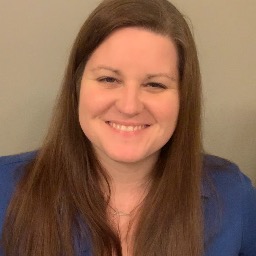
About Charesa
Charesa Alphin is a Licensed Professional Counselor in Texas who helps people facing stress, anxiety, depression, grief, trauma, and parenting challenges. She works with clients struggling with mood differences, ADHD, relationship and intimacy concerns, and the competing demands of work and family. She aims to make the first steps toward help feel simple and straightforward.
Her style is direct and person-focused. Sessions are centered on the client's goals and current needs.
Background and approach
She uses practical tools to manage symptoms and builds a plan that fits daily life. Conversations are meant to be clear and useful from week to week. Charesa draws on several approaches to tailor care.
She uses Client-Centered Therapy to follow a person's priorities and Cognitive Behavioral Therapy to identify thinking patterns that fuel anxiety or low mood. She also uses Eye Movement Desensitization and Reprocessing for trauma work and Motivational Interviewing to support change when people feel stuck. With ten years of counseling experience, she brings steady clinical judgment and a calm approach.
She has worked with people affected by childhood trauma, sexual assault and abuse, caregiving strain, and job-related stress. She also supports individuals navigating identity and sexuality questions. Sessions are offered in English and delivered online by video, phone, live chat, or text messaging.
Charesa practices in Texas as an LPC and combines focused skill-building with a collaborative tone to help people move toward clearer days.
Approaches that translate well to online care
Client-Centered Therapy focuses on listening, understanding priorities, and following what matters most to the client. It helps people clarify goals and feel heard while exploring options for change. Cognitive Behavioral Therapy (CBT) teaches practical skills to change unhelpful thinking and behavior patterns, which works well in short exercises and homework between sessions. Eye Movement Desensitization and Reprocessing (EMDR) is used to reduce the intensity of traumatic memories and reactions by using structured processing techniques tailored to the client's pace.Choosing the best approach is a collaborative process. The therapist will discuss goals, try techniques that fit the situation, and adjust methods as progress is made. Together they decide which tools to keep using and which to change based on what helps most.
Online sessions are offered by video call, phone, live chat, or text-based messaging to give flexibility. Video calls support face-to-face conversation and visual cues. Phone sessions use less bandwidth and can fit a break at work. Live chat and text messaging allow shorter check-ins and ongoing support between longer sessions. These options make it easier to fit counseling into a busy life and to keep consistent momentum toward goals.
Questions people ask
What concerns does this therapist commonly address?
What is her therapeutic style and approach?
How much experience does she have?
What credentials and location are listed?
In what languages are sessions offered?
Which session formats are available?
How does cost and billing work?
How do I get started with a session?
What this counselor works with
Also listed
- ADHD
- Anger management
- Autism and Asperger Syndrome
- Bipolar disorder
- Career difficulties
- Caregiver issues and stress
- Communication problems
- Coping with life changes
- Coping with natural or human-caused disaster
- Depression
- Disruptive Mood Dysregulation Disorder (DMDD)
- Family conflicts
- Forgiveness
- Grief
- Guilt and shame
- Intimacy-related issues
- Isolation / loneliness
- LGBT
- Parenting issues
- Post-traumatic stress
- Relationship issues
- Sexual assault and abuse
- Sexuality
- Social anxiety and phobia
- Workplace issues
- Young adult issues
Therapeutic approaches
- Experience
- 10 years
- Licensed
- Texas
- Languages
- English