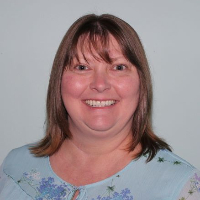
About Carol
Carol Tallant is a licensed mental health counselor (LMHC) and a licensed professional counselor (LPC) in Georgia who helps people carrying heavy emotional pain. She focuses on stress, anxiety, grief, depression, trauma and abuse, relationship and intimacy concerns, addictions, parenting strain, and issues around identity and sexuality.
She aims to create a space where people can feel heard and begin to feel relief from intense emotions. Her style is straightforward and empathetic.
Background and approach
She listens for patterns in feelings and behavior and helps people name what they are experiencing. Sessions often include practical skills to manage strong emotions and steps to reduce symptoms that get in the way of daily life. Carol uses several approaches depending on what a person needs.
She draws from client-centered therapy to prioritize the person’s own goals, cognitive behavioral therapy to address unhelpful thoughts and behaviors, and dialectical behavior therapy skills to manage intense emotions. She also uses existential ideas and hypnotherapy when those fit the work.
With 15 years of experience working with survivors of sexual trauma and childhood abuse, she brings long-term clinical practice to difficult trauma-related issues. That background informs how she recognizes and responds to flashbacks, dissociation, and anger.
People who come to her often want to understand attachment wounds, codependency, family of origin problems, guilt and shame, or the impact of past abuse on current relationships. She helps people take practical steps toward clearer communication, safer boundaries, and a steadier sense of self.
Online approaches that focus on emotion and meaning
Client-centered therapy centers the person’s goals and lived experience, helping them set the direction for each session and build on their strengths. It is useful when someone wants a steady, listening-based space to figure out what matters most to them.Cognitive behavioral therapy, or CBT, looks at how thoughts and actions keep problems going and introduces concrete exercises to shift thinking and behavior. It is often used for anxiety, depression, mood issues, and life transitions where changing patterns can reduce symptoms.
Dialectical behavior therapy, or DBT, teaches specific skills for managing intense emotions, tolerating distress, and improving communication. These skills help when strong feelings, urges, or relationship conflicts get in the way of daily life.
Finding the right approach is a collaborative process. The therapist will talk with the client about goals, past efforts, and preferences, then suggest approaches that might fit. Together they adapt techniques over time based on what helps most.
Online therapy offers flexibility across several formats: video calls for face-to-face conversation, phone sessions when bandwidth is limited, live chat for shorter check-ins, and text-based messaging for ongoing support between sessions. These options make it easier to fit sessions into a busy schedule and to choose the format that feels most comfortable for each step of the work.
Questions people ask
What kinds of concerns does she address?
What is her therapeutic style like?
How much clinical experience does she have?
What credentials and region are listed?
Which languages are sessions offered in?
What session formats are available online?
How is cost handled for sessions?
How do I begin working with this therapist?
What this counselor works with
Most often
Also listed
- Abandonment
- Addictions
- Anger management
- Attachment issues
- Career difficulties
- Codependency
- Communication problems
- Compassion fatigue
- Coping with life changes
- Depression
- Dissociation
- Family conflicts
- Family of origin issues
- Family problems
- Grief
- Guilt and shame
- Intimacy-related issues
- Life purpose
- Mood disorders
- Parenting issues
- Post-traumatic stress
- Relationship issues
- Self esteem
- Self-harm
- Sexual assault and abuse
- Sexuality
- Women's issues
Therapeutic approaches
- Experience
- 15 years
- Licensed
- Georgia, Florida
- Languages
- English