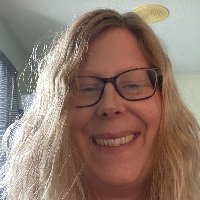
About Carol
Carol Polzin uses a practical, person-centered approach to help people feel steadier in day-to-day life. She combines Client-Centered methods with Cognitive Behavioral Therapy and trauma-informed work to address stress, anxiety, depression, grief, and relationship struggles. Carol holds the LPCC credential, which she uses in her Minnesota practice to guide treatment decisions.
Carol has 15 years of experience providing counseling in a range of settings. She has worked in community mental health, operated a residential program, and ran a independent practice.
Background and approach
That background means she has seen many kinds of challenges, from behavioral concerns to mood disorders and self-harm. In sessions she focuses on practical steps people can use between meetings. She often blends short-term, solution-focused strategies with longer conversations about attachment, trauma, and patterns that keep problems repeating.
She also incorporates Gottman Method ideas when relationship communication is a concern. Carol has experience with adoption and foster care issues, attachment problems, and complicated grief. She also helps with parenting stress, eating concerns, fertility-related distress, and coping with major life changes.
Her work includes support for people affected by domestic violence and those managing impulsivity or mood disorders. Carol offers therapy through a mix of video calls, phone sessions, live chat, and text messaging. Sessions are scheduled by completing a short matching questionnaire and arranging times that fit each person’s needs.
Approaches that guide online sessions
Carol blends Client-Centered Therapy and Cognitive Behavioral Therapy to make online work feel useful and focused. Client-Centered Therapy means the therapist follows the person's lead, listens closely, and helps people find their own solutions. Cognitive Behavioral Therapy looks at thoughts and behaviors and teaches concrete skills to manage anxiety, depression, panic, and mood symptoms.She also uses Trauma-Focused Therapy when past traumatic events affect current functioning. This approach pays attention to how trauma shows up now and introduces pacing and strategies to reduce distress while building coping skills. Together these methods allow sessions to be tailored to immediate problems and deeper patterns in a collaborative way. Carol will work with each person to determine which approach, or combination, fits their goals and preferences.
Online formats include video calls, phone sessions, live chat, and text-based messaging. Video calls let people use visual cues and more conversational time. Phone sessions can be simpler when bandwidth is limited or when someone prefers not to be on camera. Live chat and text messaging allow brief check-ins, coaching-style support, or ongoing reflections between longer sessions. These options aim to make therapy more flexible and easier to fit into busy lives.
Questions people ask
What concerns does Carol commonly address?
What is her therapy style like?
What experience does she bring?
Where does Carol practice and what are her credentials?
Are sessions available in other languages or internationally?
Which session formats does she offer?
How are costs handled for therapy?
How do I begin working with her?
What this counselor works with
Most often
- Stress, Anxiety
- Relationship issues
- Family conflicts
Also listed
- Adoption and foster care
- Anger management
- Attachment issues
- Bipolar disorder
- Codependency
- Communication problems
- Control issues
- Coping with life changes
- Depression
- Domestic violence
- Eating disorders
- Family problems
- Fertility issues
- Forgiveness
- Grief
- Impulsivity
- Mood disorders
- Panic disorder and panic attacks
- Parenting issues
- Post-traumatic stress
- Seasonal Affective Disorder (SAD)
- Self esteem
- Self-harm
- Self-love
- Social anxiety and phobia
- Trauma and abuse
- Traumatic brain injury
Therapeutic approaches
- Experience
- 15 years
- Licensed
- Minnesota
- Languages
- English