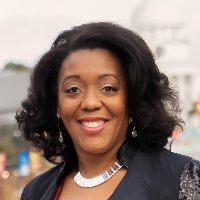
About Carmela
Dr. Carmela Drake helps people who are dealing with addictions, anxiety, stress, relationship struggles, parenting strain, and questions about career and life purpose. She also supports those facing anger, low self-esteem, ADHD concerns, compassion fatigue, and a range of process and substance-related addictions.
Dr. Drake brings a practical, down-to-earth style to sessions. She uses straightforward conversation to identify what matters most to each person.
Her sessions are interactive and guided by respect and person-first language.
Background and approach
She leans on tools from cognitive behavioral approaches and client-centered work to help people notice unhelpful patterns and try different ways of responding. Motivational interviewing is a regular part of her sessions, especially when people are ambivalent about change. Solution-focused ideas are used to set small, achievable steps toward clearer goals.
Dr. Drake tailors the plan to each person rather than following a fixed script. Over 25 years in the field have centered most of her work around addictions and co-occurring concerns, along with supporting young adults as they navigate big life transitions.
Her background includes work with student-athletes moving from high school to college competition and adjusting to life after sport. Dr. Drake holds an LPC - Licensed Professional Counselor - in Alabama.
She offers a warm, nonjudgmental space and focuses on practical steps people can try between sessions. Her approach emphasizes collaboration and steady progress.
Approaches that guide online work and goal-setting
Acceptance and Commitment Therapy (ACT) helps people notice thoughts and feelings without getting stuck in them, then choose actions that match their values. It can be useful for anxiety, stress, and life changes where people want clearer direction. Cognitive Behavioral Therapy (CBT) focuses on identifying patterns of thinking and behavior that keep problems going and testing small changes to shift those patterns; it often helps with anxiety, mood, and habits related to addiction. Motivational Interviewing is a conversational style that helps people clarify their own reasons for change and build commitment at their own pace, which is helpful for substance concerns and ambivalence about making changes.Deciding which approach to use is a collaborative process. The therapist will work with the person to match methods to their goals, preferences, and what feels most helpful in session. Plans are adjusted over time based on progress and feedback so the work stays practical and relevant.
Online therapy formats include video calls, phone sessions, live chat, and text-based messaging. Video is good for face-to-face interaction and deeper conversations, phone works well when bandwidth is limited or for a quick check-in, live chat can be useful for focused problem-solving, and messaging supports short updates or ongoing coaching between sessions. These options make it easier to fit therapy into a busy life and keep momentum between appointments.
Questions people ask
What concerns does she help with?
What is her therapy style like?
What kind of experience does she have?
Where is she licensed and based?
Which languages are sessions offered in?
What session formats are available?
How does payment and cost work?
How do I begin working with her?
What this counselor works with
Most often
- Addictions
- Parenting issues
- Anger management
Also listed
- ADHD
- Career difficulties
- Coaching
- Codependency
- Commitment issues
- Communication problems
- Compassion fatigue
- Coping with life changes
- Drug and alcohol addiction
- Family conflicts
- Forgiveness
- Life purpose
- Money and financial issues
- Process addiction (porn, exercise, gambling)
- Relationship issues
- Self esteem
- Self-love
- Sex addiction
- Stress, Anxiety
- Women's issues
- Workplace issues
- Young adult issues
Therapeutic approaches
- Experience
- 25 years
- Licensed
- Alabama
- Languages
- English