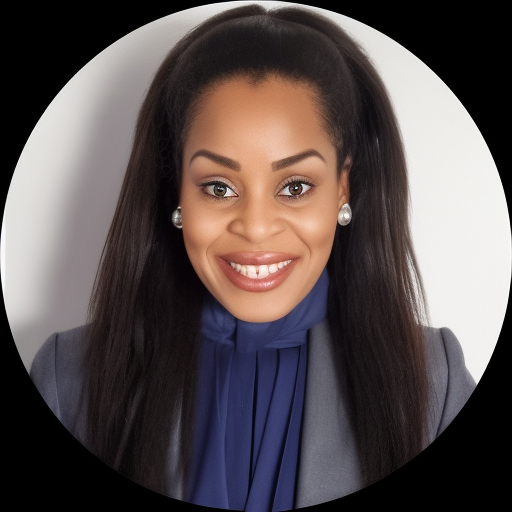
About Callas
Callas Vaughan-Dixon offers straightforward, evidence-based care grounded in 11 years of clinical work. She holds an MD and is licensed as an LCPC in Maryland. She aims to make the first step toward change feel manageable and steady.
She focuses on stress and anxiety, depression, trauma and abuse, relationship concerns, and attention difficulties that affect concentration and memory. She also helps people struggling with communication problems, loneliness, divorce and separation, and mood or panic symptoms.
Background and approach
There is attention to issues often faced by men and by veterans and armed forces members, and by people coping with traumatic brain injury or social anxiety. Her sessions center on open conversation. She creates a nonjudgmental space where thoughts and feelings can be named.
Sessions include listening, problem solving, and practical steps to try between meetings. Callas aims to help people set clear goals. Together they identify which worries or habits cause the most trouble.
From there they work on small, doable changes that add up over time. She offers several ways to meet, including video calls, phone sessions, live chat, and text-based messaging. People who want to begin fill out a short matching questionnaire and schedule a time that fits their needs.
Evidence-Based Techniques and Online Care
Callas uses evidence-based therapeutic techniques that focus on practical change. One common approach emphasizes skills for managing anxiety and panic - teaching breathing and grounding strategies, spotting unhelpful thinking patterns, and practicing gradual exposure to feared situations to reduce avoidance. Another approach addresses mood and trauma by helping people tell their story, process difficult memories at a pace they choose, and build routines that support stable mood and sleep.Choosing the right approach is a collaborative process. The therapist will talk with each person about goals, preferences, and what has or hasnt worked before. Together they decide which methods to try and adjust the plan as progress is made.
Online therapy is offered through several formats to fit different needs. Video calls allow face-to-face conversation and visual cues. Phone sessions can be easier when video is not possible or bandwidth is limited. Live chat and text-based messaging support brief check-ins, ongoing problem solving, or a flexible option for people who prefer typed communication. These options aim to make therapy more accessible and adaptable to everyday life.
Questions people ask
What kinds of concerns does this therapist address?
What is the therapeutic style or approach used?
How much clinical experience does she have?
What credentials and region are listed for this therapist?
Which languages and international options are available?
What session formats are offered?
How is cost handled for sessions?
How do I get started with therapy here?
What this counselor works with
Most often
- Stress, Anxiety
- Relationship issues
- Trauma and abuse
Also listed
- Experience
- 11 years
- Licensed
- Maryland
- Languages
- English