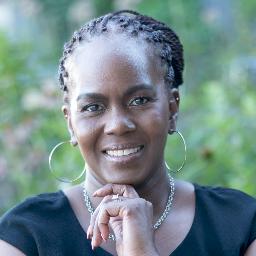
About Arneisha
Arneisha Woods offers calm, steady support for people dealing with stress, anxiety, grief, low self-esteem, and depression. She writes plainly and listens closely so clients can name what feels hard. She encourages small steps and builds on each person’s strengths as they move forward.
Woods holds an MD and is licensed as an LCPC in Maryland. She brings seven years of clinical experience to sessions. Her work centers on helping people cope with trauma and abuse and process losses that leave them feeling stuck.
Background and approach
In conversation she helps clients break big problems into manageable parts. She talks through ways to reduce worry, manage mood shifts, and rebuild confidence. Practical strategies are paired with attention to the emotions under those struggles.
She also focuses on commitment issues and communication problems, and on concerns such as guilt, shame, isolation, and life purpose. Woods supports people facing mood or personality disorders and those affected by domestic violence. Beginning therapy with her involves small, steady goals and a focus on what clients already do well.
She invites people to notice progress, however small, and to try new coping skills between sessions. Her style is direct, compassionate, and goal-oriented.
Evidence-based approaches and online care
Woods uses evidence-based therapeutic techniques that focus on skills and understanding. One common approach involves teaching concrete coping skills for anxiety and stress, such as short breathing exercises and step-by-step plans to reduce worrying thoughts. These techniques help when daily life feels overwhelming and quick strategies are needed.Another approach concentrates on processing trauma and grief through talking, pacing, and gentle exposure to difficult memories when the client is ready. This work aims to reduce the intensity of painful reactions and help people make sense of loss and hurt in ways that support healing.
Choosing the right approach is a collaborative process. The therapist will work with each person to identify goals, try techniques, and adjust methods over time. Together they decide which strategies fit the client’s needs, preferences, and pace.
Online therapy is offered through video calls, phone sessions, live chat, or text-based messaging to provide flexibility. Video sessions allow face-to-face conversation, phone sessions can be useful when bandwidth is limited, and messaging or live chat work well for brief check-ins or when typed reflection feels easier. These options make it simpler to fit therapy into a busy life and to keep momentum between sessions.
Questions people ask
What concerns does she help with?
How would you describe her therapy style?
What experience does she bring?
What are her credentials and where is she based?
Can therapy be done in other languages or from other countries?
Which session formats are available?
How is cost handled?
What should I do to get started?
What this counselor works with
Most often
Also listed
- Commitment issues
- Communication problems
- Depression
- Disruptive Mood Dysregulation Disorder (DMDD)
- Domestic violence
- Forgiveness
- Guilt and shame
- Isolation / loneliness
- Life purpose
- Mood disorders
- Personality disorders
- Self esteem
- Self-love
- Women's issues
- Experience
- 7 years
- Licensed
- Maryland
- Languages
- English