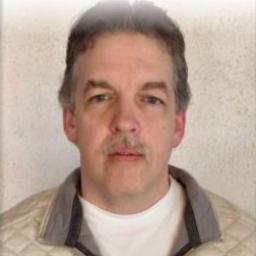
About Anthony
Dr. Anthony Shay is a Licensed Professional Counselor (LPC) practicing in Wisconsin. He holds a Doctorate in Education and a Master’s degree in Professional Counseling from Saint Mary’s University of Minnesota.
He focuses on helping people navigate stress, anxiety, mood concerns, trauma, and relationship difficulties in everyday life. He favors a straightforward, practical style in sessions. He listens first, then helps people identify small steps that feel doable.
Sessions often include talking through reactions, learning new coping skills, and practicing ways to change unhelpful patterns.
Background and approach
Dr. Shay draws from several approaches to match what each person needs. He uses tools from cognitive behavioral therapy to spot and change thought patterns.
He also incorporates acceptance and commitment ideas to help clients clarify values and take meaningful action. Emotion-focused and attachment-informed work appear when relationships or intimacy are a concern. He helps people notice emotional responses and learn clearer ways to connect and communicate.
Dialectical behavior strategies can be used to manage strong emotions and improve toleration skills. Over three years of practice, he has worked with issues such as addiction, grief, parenting strain, chronic health challenges, ADHD, and career stress. Sessions are offered in English and can be scheduled through the directory matching process.
Dr. Shay aims to make therapy a practical part of a busy life, with steps that feel relevant and realistic.
Therapeutic approaches and online care
Acceptance and Commitment Therapy (ACT) focuses on what matters most to a person - values and action. It helps people accept difficult feelings while committing to steps that move their life in a chosen direction, which can be useful for anxiety, depression, and life transitions.Cognitive Behavioral Therapy (CBT) looks at the links between thoughts, feelings, and actions. It teaches practical techniques to spot unhelpful thoughts and try different behaviors, often helping with anxiety, depression, and impulse-driven problems.
Finding the right approach is part of the work. The therapist will talk with each person about goals and preferences and then select or combine methods that fit. That collaborative planning can change over time as needs evolve.
Online formats here include video calls, phone sessions, live chat, and text-based messaging. Video lets people maintain face-to-face interaction from different places. Phone sessions work well when lower bandwidth or a simple check-in is needed. Live chat and messaging allow shorter, more frequent check-ins and flexible day-to-day support. These options make it easier to fit therapy around work, caregiving, health issues, or travel.
Questions people ask
What concerns does this therapist help with?
What is the general therapy style?
What background does the therapist have?
What are the credentials and location?
Which languages are offered and can international clients connect?
What session formats are available?
How does pricing work?
How do I begin working with this therapist?
What this counselor works with
Most often
- Stress, Anxiety
- Trauma and abuse
- Anger management
Also listed
- Addictions
- ADHD
- Aging and geriatric issues
- Bipolar disorder
- Career difficulties
- Chronic pain, illness, and disability
- Co-morbidity
- Communication problems
- Compassion fatigue
- Control issues
- Coping with life changes
- Depression
- Dissociation
- Divorce and separation
- Domestic violence
- Drug and alcohol addiction
- Emptiness
- Family conflicts
- Forgiveness
- Grief
- Guilt and shame
- Impulsivity
- Infidelity
- Intimacy-related issues
- Isolation / loneliness
- Life purpose
- Men's issues
- Mood disorders
- Panic disorder and panic attacks
- Parenting issues
- Post-traumatic stress
- Process addiction (porn, exercise, gambling)
- Relationship issues
- Seasonal Affective Disorder (SAD)
- Self esteem
- Sex addiction
- Social anxiety and phobia
- Somatization
- Workplace issues
Therapeutic approaches
- Acceptance and Commitment Therapy (ACT)
- Attachment-Based Therapy
- Client-Centered Therapy
- Cognitive Behavioral Therapy (CBT)
- Dialectical Behavior Therapy (DBT)
- Emotionally-Focused Therapy (EFT)
- Eye Movement Desensitization and Reprocessing (EMDR)
- Gottman Method
- Mindfulness Therapy
- Motivational Interviewing
- Solution-Focused Therapy
- Somatic Therapy
- Trauma-Focused Therapy
- Experience
- 3 years
- Licensed
- Wisconsin
- Languages
- English