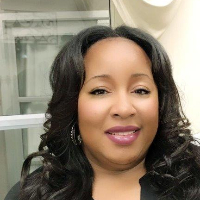
About Anchanese
Anchanese Levison helps people who are feeling stuck, overwhelmed, or unsure how to move forward. She is an LPC practicing in Georgia and focuses on practical steps people can use right away. Her style is direct and compassionate, aimed at reducing stress and improving daily functioning.
She uses straightforward conversation to understand what matters most to each person. Sessions concentrate on skills for handling anxiety, mood problems, anger, and relationship strains.
Background and approach
She also supports people navigating grief, trauma, addiction concerns, and issues tied to identity and self-worth. Her training includes a Master of Science in Counseling Psychology with a specialization in mental and behavioral health. Over more than a decade she has worked in psychiatric residential settings, college programs, and community treatment centers.
That variety shaped a flexible approach to many types of life problems. In sessions she mixes client-centered listening with skill-building and brief goal-focused work. Mindfulness techniques and tools from dialectical behavior therapy are offered when useful.
Motivational interviewing and solution-focused methods are used to clarify goals and create small, achievable steps. People who prefer concrete strategies and a warm, realistic conversation often do best with her. She encourages honest talk about what is working and what needs to change, and she helps design a plan that fits daily life and current responsibilities.
Approaches that translate to online care
Client-centered therapy focuses on listening and understanding the person's priorities. Online sessions let the therapist follow the client's lead, helping people name what matters and decide the next steps. DBT - dialectical behavior therapy - teaches practical skills for managing emotions and improving relationships, such as distress tolerance and emotion regulation, which can be practiced between sessions. Mindfulness therapy brings attention to the present moment, using short exercises to reduce stress and improve focus, and these practices can be guided during video or audio sessions.Choosing the right approach is a collaborative process. The therapist will talk with each person about their goals and try different methods to see what fits best. Together they adjust techniques based on progress, preferences, and daily life demands so the plan feels realistic and useful.
Online therapy offers flexibility in how sessions happen: video calls for face-to-face conversation, phone sessions when bandwidth is limited, live chat for shorter check-ins, or text-based messaging for ongoing support. These options make it easier to fit therapy into a busy schedule, practice skills between meetings, and connect when in-person visits are difficult. Licensed professionals can use these formats to deliver the same kinds of therapy tools and feedback normally used in the office.
Questions people ask
What kinds of problems can be addressed in sessions?
How would you describe the therapy style?
What is the therapist's background and experience?
What credentials and region are listed?
Which languages are supported and are international clients accepted?
What session formats are available?
How is cost handled for sessions?
How do I begin working together?
What this counselor works with
Most often
- Stress, Anxiety
- Relationship issues
- Family conflicts
Also listed
- Addictions
- ADHD
- Anger management
- Blended family issues
- Career difficulties
- Caregiver issues and stress
- Commitment issues
- Communication problems
- Compassion fatigue
- Depression
- Domestic violence
- Forgiveness
- Grief
- Guilt and shame
- Impulsivity
- Infidelity
- Intimacy-related issues
- Jealousy
- LGBT
- Money and financial issues
- Mood disorders
- Parenting issues
- Post-traumatic stress
- Self esteem
- Self-love
- Trauma and abuse
- Women's issues
- Young adult issues
Therapeutic approaches
- Experience
- 12 years
- Licensed
- Georgia
- Languages
- English