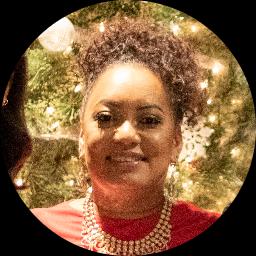
About Yolandria
Yolandria Wyche is a licensed professional counselor in Georgia with three years of post-graduate experience. She focuses on helping people manage stress, anxiety, depression, and the effects of trauma and abuse. Sessions are collaborative and centered on the client's needs.
She emphasizes empathy and clear listening. Clients get space to talk through what matters to them without judgment. The first sessions usually involve setting goals and identifying patterns that get in the way of feeling better.
Background and approach
Her approach draws on client-centered methods that prioritize the person's own perspective. She also uses cognitive behavioral techniques to spot unhelpful thoughts and solution-focused ideas to build practical steps forward. These methods are used together to fit each person’s situation.
Yolandria works with concerns like low self-esteem, compassion fatigue, caregiver stress, guilt and shame, and questions about life purpose. She also supports people dealing with post-traumatic stress, forgiveness, and self-love. Coaching-style conversations are available for people wanting clearer direction or increased motivation.
Sessions aim to be straightforward and goal oriented. Progress can be uneven, and she describes therapy as a process where setbacks are part of change. The focus is on helping people develop strategies to cope and build resilience over time.
Therapeutic approaches and online options
Client-Centered Therapy focuses on the person's experience and aims to create space for honest, nonjudgmental listening. It helps people clarify values, feel heard, and make choices that reflect what matters to them.Cognitive Behavioral Therapy, or CBT, looks at how thoughts, feelings, and actions connect. It helps identify unhelpful thought patterns and replace them with more balanced thinking to reduce anxiety and depression.
Solution-Focused Therapy zeroes in on small, practical steps and past successes to build momentum. This approach is useful when someone wants quicker, goal-driven change or clearer direction.
Finding the best approach is a shared process. The therapist will discuss goals, preferences, and what has or hasn’t worked before to shape a plan together. That collaborative testing lets the client and therapist adjust methods over time for the best fit.
Online sessions make it easier to fit therapy into a busy life. Video calls let people work face-to-face from wherever they are, phone sessions can be chosen when connections are easier by audio, and live chat or text-based messaging suit shorter check-ins or moments when typing feels more comfortable. These formats increase flexibility and help people use therapy in ways that match their routines and needs.
Questions people ask
What kinds of problems does she help with?
How would you describe her therapy style?
What is her professional background?
What are her credentials and where is she based?
Can sessions be held in other languages or internationally?
Which session formats are available?
How does pricing work for sessions?
What should I do to begin working with her?
What this counselor works with
Also listed
Therapeutic approaches
- Experience
- 3 years
- Licensed
- Georgia
- Languages
- English