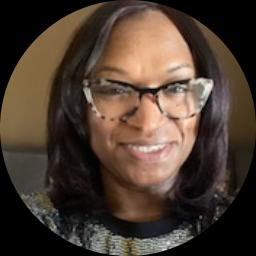
About Yasmina
Yasmina Robinson provides help for people facing family conflict, trauma and abuse, parenting strain, ADHD, stress, anxiety, relationship problems, bipolar disorder, and depression. She introduces herself plainly and invites a calm conversation about what feels most pressing. Yasmina holds an MD and an LCPC, and brings a decade of clinical experience to her work in Maryland.
She keeps sessions straightforward and focused on the person's goals. Conversations are aimed at understanding patterns that cause pain and finding small changes that make daily life easier.
Background and approach
She encourages honest talk about feelings, behaviors, and practical obstacles so solutions can be realistic and usable. Her approach draws from client-centered methods that prioritize the person’s experience. She also uses cognitive behavioral techniques to identify unhelpful thinking and solution-focused strategies to set clear, short-term goals.
For trauma concerns she integrates trauma-focused work to address painful memories and their impact on current life. Yasmina aims to make therapy a collaborative effort. She listens first, then offers tools and practice steps the person can try between sessions.
Progress is tracked in simple, observable ways so people can see what helps. Sessions are offered through video, phone, live chat, or text messaging to fit different routines. Language of service is English and her practice does not take international clients.
The first step is a brief matching questionnaire and scheduling through the Start Therapy flow.
Approaches that guide online work
Yasmina blends client-centered work with cognitive behavioral techniques to address emotions and everyday thinking. Client-centered therapy involves listening closely and shaping sessions around what matters most to the person, which helps when someone needs a supportive space to sort feelings. Cognitive behavioral therapy looks at patterns of thought and behavior and offers practical exercises to reduce anxiety, manage mood, or tackle impulsivity.Finding the right approach is a collaborative process. Yasmina will talk with the person about goals, preferences, and what has or hasn’t worked before. Together they decide whether to focus on short-term problem solving, changing thinking patterns, or processing trauma, and they adjust the plan as progress is made.
Online formats include video calls, phone sessions, live chat, and text-based messaging, which offer flexibility for different routines. Video allows face-to-face interaction for deeper conversation and exercises, while phone calls can be shorter check-ins or fit into a busy day. Live chat and text messaging let people share thoughts between sessions or use brief check-ins when schedules are tight. These options make it easier to keep consistent work toward goals without extra travel or time away from responsibilities.
Questions people ask
What concerns does Yasmina commonly address?
How would you describe her therapeutic style?
What is her clinical background?
Where is she licensed and practicing?
Which languages are supported for sessions?
What session formats are available?
How are costs handled?
How do I begin working with her?
What this counselor works with
Most often
- Family conflicts
- Trauma and abuse
- Parenting issues
Also listed
Therapeutic approaches
- Experience
- 10 years
- Licensed
- Maryland
- Languages
- English