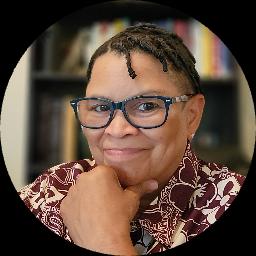
About Victoria
Victoria Lloyd uses evidence-based therapeutic techniques as the backbone of her work. She focuses on stress, anxiety, low self-esteem, depression, and coping with life changes. Victoria Lloyd, LPCC, helps people build self-love and stronger communication skills so they can move forward with more confidence.
She has ten years of experience in clinical work and brings a compassionate, culturally aware perspective to sessions. That means she pays attention to how identity and background shape feelings and relationships.
Background and approach
Her style is straightforward and warm, making it easier to talk about difficult topics. In sessions she emphasizes practical skills. Clients learn ways to manage anxiety, cope with transitions, and strengthen self-worth.
Conversation is paired with exercises people can try between meetings to reinforce progress. Victoria also addresses isolation, forgiveness, and life purpose. She helps people notice patterns that keep them stuck and experiment with new ways of relating to themselves and others.
The work is paced to each person's needs rather than rushed. Her goal is to help people feel more connected to themselves and their goals. She encourages small, steady changes that add up over time.
People who choose to work with her can expect direct support, empathy, and clear next steps.
Evidence-based approaches and online care
Victoria uses evidence-based therapeutic techniques to guide work in session. One common method focuses on building practical coping skills for anxiety and depression, teaching breathing, grounding, and thought-challenging tools that reduce overwhelm and improve day-to-day functioning. Another approach emphasizes improving communication and self-worth through exercises that identify unhelpful patterns and practice new ways of speaking and setting boundaries.Choosing the right approach is a collaborative process. The therapist will discuss goals, try methods that fit the client's needs, and adjust strategies based on what helps most. Clients are invited to give feedback so the work stays relevant and useful.
Online sessions are offered by video calls, phone sessions, live chat, or text-based messaging to make care more flexible. Video lets people read facial expression and tone, phone is useful when bandwidth is limited, live chat works for shorter check-ins, and messaging supports ongoing reflection between meetings. These options help people fit therapy into busy days and maintain momentum despite a changing schedule.
Questions people ask
What issues does she help with?
What is her therapy style?
How much clinical experience does she have?
What are her credentials and where is she based?
Which languages are supported?
Can people outside the U.S. work with her?
What session formats are available?
How are costs and getting started handled?
What this counselor works with
Most often
Also listed
- Experience
- 10 years
- Licensed
- California
- Languages
- English