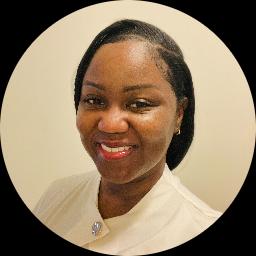
About Tosha
Tosha Lindsey helps people facing stress, anxiety, relationship concerns, and the fallout from trauma and abuse. She works with those trying to rebuild self-esteem, manage life changes, or handle relationship challenges like commitment, communication, and infidelity. Tosha Lindsey holds an MD and is licensed as an LCPC in Maryland, and she has eight years of professional experience.
Her approach is down-to-earth and strengths-based. She treats the person, not just the problem, and believes people already have resources they can use.
Background and approach
In sessions she listens, asks practical questions, and helps clients name small steps they can try between meetings. Tosha draws on evidence-based therapeutic techniques tailored to each person. Sessions focus on clear goals, coping skills, and repairing patterns such as attachment and abandonment concerns.
She also works with survivors of sexual assault and people coping with post-traumatic stress. Appointments can include practical strategies for better communication, setting boundaries, and rebuilding self-love after hurt. Tosha supports people working through forgiveness and decision points, including whether to stay or move on after betrayal.
She offers therapy options that fit busy lives, and guides each person toward approaches that match their needs. Taking the first step can feel hard, and she acknowledges that courage while helping clients map a realistic path forward.
Practical approaches and online care that fit your life
Evidence-based techniques are used to address stress, anxiety, and relationship wounds. One common approach involves focused skill-building to reduce anxiety and manage stress through breathing, grounding, and stepwise behavior changes; this helps people handle day-to-day triggers. Another approach concentrates on attachment and relationship patterns, helping clients notice repeating behaviors, improve communication, and make clearer decisions about commitment and boundaries.Choosing the right approach is a collaborative process. The therapist will talk with each person about their goals, try methods that match those goals, and adjust the plan based on what helps most. Clients are invited to give feedback so the work stays practical and relevant to their life.
Online therapy offers flexible ways to meet. Video calls are useful for full conversation and face-to-face connection. Phone sessions can work when bandwidth or camera use is difficult. Live chat and text-based messaging let people check in between longer sessions or fit short conversations into busy days. These options make it easier to keep therapy consistent while balancing work, family, and other obligations.
Questions people ask
What concerns does she help with?
How would you describe her therapy style?
How much clinical experience does she have?
What are her credentials and where is she located?
Which languages are supported for sessions?
What session formats are available?
How does cost and billing work?
What is the first step to begin therapy?
What this counselor works with
Most often
- Stress, Anxiety
- Relationship issues
- Trauma and abuse
Also listed
- Experience
- 8 years
- Licensed
- Maryland
- Languages
- English