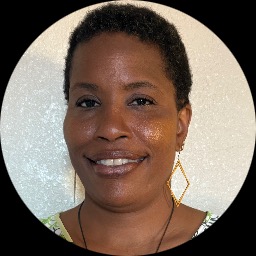
About Tonga
Tonga Bryant is a Licensed Professional Counselor practicing in Arizona. She offers a calm, practical approach to common struggles like stress, anxiety, anger, and depression. She speaks plain, direct language and focuses on concrete skills people can use right away.
She draws on client-centered care alongside cognitive behavioral and dialectical behavior ideas. Sessions focus on identifying patterns that cause distress and building coping strategies that fit daily life. She also includes mindfulness and motivational interviewing tools when they help someone move forward.
Background and approach
Tonga has 12 years holding the LPC credential and more than two decades of experience providing therapeutic support. That background guides a steady, results-oriented style that aims for measurable progress rather than vague promises. Typical concerns she helps with include relationship stress, parenting strain, caregiver burnout, sleep problems, low self-esteem, and challenges tied to ADHD or bipolar disorder.
She also supports people coping with trauma, guilt, shame, isolation, and the stress of life changes. Sessions emphasize a collaborative partnership. Tonga works with each person to set clear goals, practice new skills between sessions, and track changes over time.
The pace and focus are adjusted to match what each person needs and prefers.
How practical therapy methods work online
Client-centered therapy focuses on the person's goals and perspective. The therapist listens closely and helps shape sessions around what matters most, which works well for stress, relationship concerns, and life changes.Cognitive Behavioral Therapy, or CBT, looks at how thoughts and behaviors affect mood and actions. It involves learning small skills to change unhelpful thinking and test new behaviors, useful for anxiety, depression, sleep problems, and anger.
Dialectical Behavior Therapy, or DBT, adds skills for emotional regulation, distress tolerance, and better interpersonal interactions. These tools can help with overwhelming feelings, caregiver stress, and patterns that keep repeating.
Finding the right approach is part of the work. The therapist will talk with the person about goals, try strategies, and adjust methods together. That collaborative process helps match techniques to each person's needs and preferences.
Online therapy with video calls, phone sessions, live chat, or text messaging makes it easier to fit counseling into a busy life. Video lets people work face-to-face; phone calls use less bandwidth and can be a quick check-in; chat or messaging supports brief updates and ongoing coaching between sessions. These options give flexibility so therapy can continue around work, parenting, caregiving, and other demands.
Questions people ask
What kinds of problems does she address?
What is her therapeutic style like?
How much experience does she have?
Where is she licensed and based?
Which languages are supported for sessions?
Can people from other countries work with her?
What formats are available for sessions?
How are costs and getting started handled?
What this counselor works with
Most often
- Stress, Anxiety
- Anger management
- Depression
Also listed
- ADHD
- Bipolar disorder
- Career difficulties
- Caregiver issues and stress
- Coaching
- Compassion fatigue
- Coping with life changes
- Family conflicts
- Guilt and shame
- Isolation / loneliness
- LGBT
- Parenting issues
- Relationship issues
- Self esteem
- Self-love
- Sleeping disorders
- Trauma and abuse
Therapeutic approaches
- Experience
- 12 years
- Licensed
- Arizona
- Languages
- English