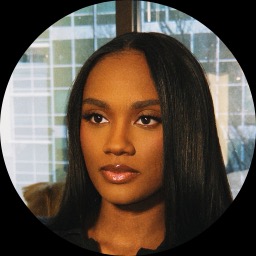
About Taniyah
Taniyah Abdulbarr offers calm, direct support to people dealing with stress, anxiety, low self-esteem, depression, or relationship strain. She focuses on helping clients build self-love, sort through communication problems, and find a clearer sense of life purpose. Taniyah lists MD, LCPC and brings four years of practice in Maryland to her work.
In sessions she listens for practical patterns that get in the way of change. She helps people identify what they want, then breaks that into small steps they can try between sessions.
Background and approach
Conversations often center on improving everyday interactions, repairing trust after abandonment wounds, and reducing avoidance linked to social anxiety. Her style is collaborative and straightforward. She uses approaches grounded in evidence to guide the work without assuming one-size-fits-all solutions.
Clients can expect a mix of skill-building, reflection, and real-life practice tasks aimed at steady progress. Taniyah pays attention to how cultural background and life circumstances shape feelings and choices. That context helps her adapt suggestions so they make sense for each person.
She also supports people working through forgiveness and the emotional fallout of strained family dynamics. Those new to therapy receive clear steps for getting started and short-term goals to check progress. Over time the focus shifts toward sustaining gains and strengthening confidence in relationships and self-direction.
Approaches that guide online sessions and flexible delivery
Many of the techniques used focus on practical skills people can apply day to day. One common approach involves building communication skills through role practice and feedback to help reduce misunderstandings and repair strained relationships. Another approach centers on social anxiety and phobia work, using gradual exposure and coping skills so people can face feared situations with less avoidance. A third strand emphasizes self-esteem and self-love work, helping clients change harsh self-talk and try small self-affirming behaviors to boost confidence.Finding the right approach is a team effort. The therapist will work with each person to choose methods that match their goals, needs, and comfort level. That collaborative planning includes checking what works, adjusting techniques, and setting short practical goals to measure progress.
Online formats include video calls, phone sessions, live chat, and text-based messaging, offering options that fit busy schedules. Video calls let people use visual cues for deeper conversation, phone sessions can be quicker or easier when bandwidth is limited, live chat works for brief check-ins, and messaging supports ongoing reflection between meetings. These options make it easier to keep therapy consistent around work, school, or family life.
Questions people ask
What kinds of concerns does this therapist help with?
What is the therapeutic approach or style like?
How much clinical experience does she have?
What are the therapist's credentials and location?
Which languages are supported and are international clients accepted?
In what formats are sessions offered?
How is cost structured for sessions?
What are the first steps to begin working with this therapist?
What this counselor works with
Most often
- Stress, Anxiety
- Relationship issues
- Family conflicts
Also listed
- Experience
- 4 years
- Licensed
- Maryland
- Languages
- English