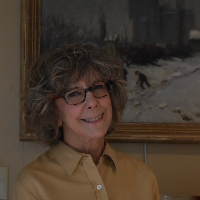
About Suzanne
Dr. Suzanne Cormier focuses on helping people manage stress, anxiety, relationship strain, and life transitions. She is a Licensed Professional Counselor in South Carolina with 26 years of experience.
She uses straightforward conversation to help people find clearer next steps and build on what already works in their lives. Her style is interactive and supportive. Sessions start by listening to what matters most and then choosing practical ways to move forward.
Background and approach
She draws on cognitive behavioral ideas to notice unhelpful thinking and add new habits that reduce distress. She also uses client-centered methods that follow the person's pace and goals. Emotionally-Focused Therapy ideas inform work around close relationships and emotional connection.
Motivational interviewing helps when someone feels unsure or stuck about change. Dr. Cormier has a background in university teaching, student counseling, and life coaching.
That mix informs a practical approach to problem solving, resilience, and self-development. She often helps people who are new to counseling feel more comfortable with the process. Her recent focus has been anxiety and stress tied to personal and social concerns.
She pays attention to strengths and small wins, and believes laughter and ordinary pleasures support well-being. Scheduling is weekday-based and arranged directly with the therapist.
How therapeutic approaches work in online sessions
Client-Centered Therapy focuses on listening closely and following the client's lead. In online sessions that means the therapist lets a person set the pace and topics while offering empathy and reflection to clarify feelings and goals.Cognitive Behavioral Therapy (CBT) looks at thoughts, feelings, and actions. Online CBT often includes identifying unhelpful thinking, trying small behavioral experiments between sessions, and practicing skills to reduce anxiety and lift mood.
Emotionally-Focused Therapy (EFT) helps people notice and name emotional experiences that affect close relationships. In video or phone sessions this work can strengthen how someone understands feelings and responds to others.
Finding the right approach is part of the work together. The therapist will talk with the client about goals, try methods that match those goals, and adjust based on what feels most helpful. That collaborative process helps narrow to the best fit over time.
Online sessions are offered by video calls, phone sessions, live chat, or text-based messaging. Video allows visual cues and direct conversation, phone can be good when bandwidth is limited, live chat fits quick check-ins, and messaging supports ongoing reflection between meetings. These options make it easier to schedule sessions around work, family, and travel while keeping therapy practical and consistent.
Questions people ask
What kinds of concerns does she help with?
What is her therapeutic approach like?
How much experience does she have?
Where is she licensed and based?
Which languages are supported for sessions?
Can people outside the U.S. work with her?
What session formats are available?
How do fees and scheduling work?
What this counselor works with
Most often
- Stress, Anxiety
- Relationship issues
- Self esteem
Also listed
- Adoption and foster care
- Aging and geriatric issues
- Coaching
- Communication problems
- Coping with life changes
- Depression
- Family conflicts
- Family problems
- Grief
- LGBT
- Midlife crisis
- Parenting issues
- Women's issues
- Young adult issues
Therapeutic approaches
- Experience
- 26 years
- Licensed
- South Carolina
- Languages
- English