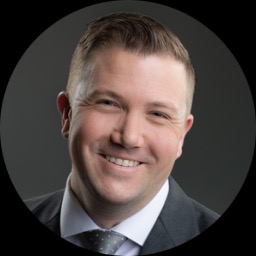
About Scott
Scott Durkin helps people manage stress, anxiety, relationship strain, trauma and abuse, bipolar disorder, and depression. He writes simply and listens closely to what matters most. He focuses on practical steps people can use between sessions to feel steadier day to day.
Scott has five years of clinical experience and holds an NV LCPC credential. He has led inpatient group therapy in a hospital setting and has worked with people facing a wide range of challenges, including addiction, trauma, and mood disorders.
Background and approach
That background shapes a steady, no-nonsense approach in sessions. In practice he uses talk therapy alongside cognitive and behavioral tools. He draws on techniques from dialectical-behavioral approaches and cognitive-behavioral methods to help people change unhelpful thinking, manage emotions, and build new skills.
Sessions tend to focus on concrete strategies and short-term goals. Scott can include a faith perspective when requested and also offers premarital and marriage support using Prepare/Enrich materials. He aims to make sessions feel approachable and calm, and he keeps explanations direct so people can try things right away.
People can expect respectful conversation, clear coping tools, and help making practical changes. Scott emphasizes a collaborative pace so people set the goals and move at a comfortable speed.
Therapeutic approaches and online sessions
Scott blends cognitive-behavioral methods with dialectical-behavioral techniques to address thinking patterns, emotional regulation, and behavior change. Cognitive-behavioral methods focus on identifying and shifting unhelpful thoughts and creating practical behavior plans for depression and anxiety. Dialectical-behavioral techniques teach emotion regulation, distress tolerance, and improved interpersonal skills, which can help with intense emotions and relationship difficulties.Finding the right approach is collaborative. The therapist works with each person to match methods to their goals, needs, and personal preferences. Together they try strategies, adjust what isn't working, and focus on what helps in daily life.
Online therapy formats include video calls, phone sessions, live chat, and text-based messaging, offering flexibility for different schedules and needs. Video calls are useful for more in-depth conversation and skill practice. Phone sessions can be a simpler option when bandwidth is limited or a shorter check-in is needed. Live chat and texting allow brief updates, coaching, or support between longer sessions and can fit into busy days.
Questions people ask
What concerns does this therapist address?
How would sessions feel day to day?
What is Scott Durkin's background?
What credential does he hold and where is he based?
Which languages are offered and are international clients supported?
What session formats are available?
How are fees and payment handled?
How do I begin working with this therapist?
What this counselor works with
Most often
- Stress, Anxiety
- Relationship issues
- Trauma and abuse
Also listed
- Abandonment
- Aging and geriatric issues
- Antisocial personality
- Attachment issues
- Avoidant personality
- Bipolar disorder
- Blended family issues
- Caregiver issues and stress
- Codependency
- Communication problems
- Depression
- Dissociation
- Divorce and separation
- Drug and alcohol addiction
- Emptiness
- Family problems
- Forgiveness
- Guilt and shame
- Impulsivity
- Infidelity
- Isolation / loneliness
- Money and financial issues
- Mood disorders
- Narcissism
- Obsessions, compulsions, and OCD
- Panic disorder and panic attacks
- Paranoia
- Personality disorders
- Post-traumatic stress
- Postpartum depression
- Sexual assault and abuse
- Social anxiety and phobia
- Traumatic brain injury
- Workplace issues
- Young adult issues
- Experience
- 5 years
- Licensed
- Nevada
- Languages
- English