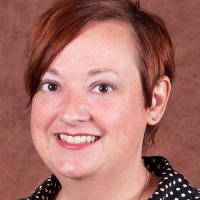
About Rebecca
Rebecca Murray helps people facing stress, anxiety, grief, depression, and burnout. She is Rebecca Murray, LCPC, and she focuses on practical steps people can use right away. Her style is direct and compassionate when someone feels overwhelmed.
She listens first and then works with each person to set small, achievable goals. Sessions often include thinking differently about upsetting thoughts and trying new behaviors between meetings. Rebecca uses techniques from Cognitive Behavioral Therapy to guide those changes and draws on trauma-focused ideas when past events are in the way.
Background and approach
Her background includes eleven years in clinical practice in Illinois. That experience includes supporting people with compassion fatigue, workplace stress, and relationship struggles. She also addresses grief, anger, low self-esteem, and life transitions in straightforward, goal-oriented ways.
Rebecca blends structured skill-building with a warm, person-centered approach. She helps people practice new skills during and between sessions, then reviews what worked. This makes therapy feel like a step-by-step plan instead of a long, uncertain process.
People can expect clear explanations of methods and homework that fits their life. Rebecca pays attention to practical barriers and adjusts plans when needed. The aim is steady progress toward clearer thinking, calmer reactions, and more control over daily stressors.
How Rebecca's Approaches Work Online
Rebecca uses Cognitive Behavioral Therapy to help people notice unhelpful thoughts and try new behaviors that reduce anxiety and improve mood. CBT breaks problems into manageable steps and gives practical exercises to do between sessions.She also works with trauma-focused methods that guide paced processing of difficult memories and reactions. These methods aim to lessen the intensity of traumatic reminders and reduce day-to-day triggers.
Deciding which approach fits best is part of the work together. The therapist will discuss goals, preferences, and past experiences and then recommend a path to try. This is a collaborative process and plans are adjusted based on what helps most.
Online sessions can be scheduled as video calls, phone sessions, live chat, or text-based messaging. Video works well for face-to-face conversation and exercises, phone can be easier when bandwidth is limited, chat and messaging suit quick check-ins or people who prefer typing. These options make it easier to fit therapy around work, caregiving, or travel while keeping progress steady.
Questions people ask
What concerns does Rebecca address?
What is her therapeutic approach like?
How much clinical experience does she have?
Where is she licensed and practicing?
What languages are available for sessions?
Can people outside the U.S. work with her?
What session formats does she offer?
How does billing and getting started work?
What this counselor works with
Most often
Also listed
- Anger management
- Coaching
- Compassion fatigue
- Control issues
- Coping with life changes
- Depression
- Domestic violence
- Family conflicts
- Family of origin issues
- First responder issues
- Forgiveness
- Guilt and shame
- Hospice and end-of-life counseling
- Impulsivity
- Isolation / loneliness
- Life purpose
- Midlife crisis
- Mood disorders
- Panic disorder and panic attacks
- Relationship issues
- Seasonal Affective Disorder (SAD)
- Self esteem
- Workplace issues
Therapeutic approaches
- Experience
- 11 years
- Licensed
- Illinois
- Languages
- English