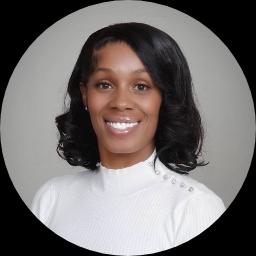
About NaTonya
NaTonya Scott practices a client-centered approach that focuses on the person first. She is a Licensed Professional Counselor (LPC) who aims to create straightforward, practical sessions where people can talk through what matters most to them. She helps with anxiety, depression, and stress by breaking problems into manageable steps.
Addiction and substance concerns are addressed with motivational techniques to strengthen commitment to change. Trauma-focused work is offered for those coping with past hurt or abuse.
Background and approach
Sessions are conversational and goal-directed. NaTonya blends client-centered listening with tools from cognitive behavioral approaches and motivational interviewing so people leave with clear next steps. She avoids jargon and keeps language simple and direct.
Her background includes four years of clinical experience across agency settings, telehealth, and independent practice. That mix means she is familiar with short-term problem solving and longer-term work depending on a person’s needs. NaTonya is based in Missouri and offers therapy in English.
People often seek her support for relationship tension, low self-esteem, grief, eating and anger concerns, bipolar mood challenges, compassion fatigue, and life transitions. The focus is always on practical progress and finding what fits each person’s life. For those ready to begin, she supports creating a plan that fits daily routines and personal goals.
The work aims to be useful, respectful, and realistic about the steps needed to feel better.
How therapeutic approaches shape online care
Client-Centered Therapy centers on listening and working at the person's pace. The therapist focuses on understanding concerns, reflecting feelings, and helping people set goals that matter to them. This approach is helpful for building trust and deciding what to work on first.Cognitive Behavioral Therapy (CBT) looks at how thoughts, feelings, and behaviors interact. It uses simple exercises to test unhelpful thinking and to try new behaviors, which can help with anxiety, depression, and some relationship patterns.
Finding the right approach is a shared process. The therapist will talk with the person about their goals, try methods that fit those goals, and adjust as needed. That collaborative process helps make sure the work stays relevant and practical.
Online sessions offer flexible ways to connect through video calls, phone sessions, live chat, or text-based messaging. Video is useful for deeper conversations and skill work, phone can be a good alternative when bandwidth or focus vary, live chat or messaging can support brief check-ins or day-to-day coaching. These options make it easier to fit therapy around work, family, and other commitments while keeping the focus on usable tools and steady progress.
Questions people ask
What concerns does she help with?
What is her therapeutic style like?
How much clinical experience does she have?
What credentials and location are listed?
Which languages and international arrangements are supported?
In what formats are sessions available?
How is cost handled?
What steps start the process?
What this counselor works with
Most often
- Stress, Anxiety
- Addictions
- Relationship issues
Also listed
- Anger management
- Attachment issues
- Bipolar disorder
- Codependency
- Communication problems
- Compassion fatigue
- Control issues
- Coping with life changes
- Depression
- Drug and alcohol addiction
- Eating disorders
- Forgiveness
- Grief
- Guilt and shame
- Self esteem
- Social anxiety and phobia
- Trauma and abuse
- Veteran and Armed Forces Issues
- Women's issues
Therapeutic approaches
- Experience
- 4 years
- Licensed
- Missouri, Texas, California
- Languages
- English