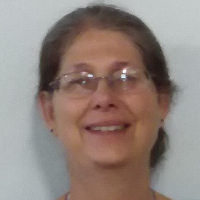
About Natalie
Natalie Norrell uses a practical, hands-on approach that blends talk therapy with body-based and trauma-focused work. She holds MT LCPC which appears after years of clinical practice, and she draws on methods that help people change unhelpful thoughts and responses. Natalie aims to help people regain steady footing during stressful or painful life moments.
Her style is straightforward and grounded, with an emphasis on what helps now. Natalie offers ways to tell a story beyond words.
Background and approach
She combines Cognitive Behavioral Therapy with somatic techniques and trauma-focused work to address anxiety, depression, grief, and the effects of abuse or major life changes. This approach helps people notice how thoughts, body sensations, and actions interact so they can try different responses.
She also integrates creative and experiential methods such as art-based activities and equine-assisted work as options for people who prefer movement, nature, or making as part of healing. These tools give another route to understanding feelings and building strength when words alone feel limited.
Natalie has twelve years of clinical experience working with stress, trauma, mood disorders, and issues linked to divorce, domestic violence, military-related concerns, and women’s health matters. She focuses on practical steps clients can use between sessions to manage symptoms and cope with change. Sessions aim to clarify patterns, develop coping skills, and support gradual change.
Natalie helps clients identify realistic goals, practice new skills, and track small gains so progress feels tangible and doable.
Online work with trauma-informed and somatic approaches
Natalie blends Cognitive Behavioral Therapy and Somatic Therapy with trauma-focused techniques to meet different needs. Cognitive Behavioral Therapy looks at how thoughts and actions keep problems going and teaches practical skills to change them, which can help with anxiety, depression, and mood concerns. Somatic Therapy focuses on body sensations and movement to help people notice and shift physical responses tied to stress or past trauma. Trauma-Focused Therapy concentrates on processing and reducing the lasting effects of traumatic events so daily functioning improves.Finding the right mix of methods is part of the work. Natalie collaborates with each person to decide which approaches feel most useful. She will listen to goals and try strategies together, adjusting the plan as progress or preferences become clearer.
Online formats include video calls, phone sessions, live chat, and text-based messaging. Video lets people use visual cues and practice skills in real time. Phone sessions often work well when bandwidth is limited or when a client prefers not to be on camera. Live chat and text-based messaging are useful for shorter check-ins, managing symptoms between meetings, and staying connected without scheduling a full session. These options make it easier to fit therapy into a busy life and to continue work across distance.
Questions people ask
What concerns does Natalie help with?
How would you describe her therapeutic style?
What is her clinical background?
Where does Natalie practice and what credential does she hold?
Can sessions be held in languages other than English?
Are online and remote session options available?
How are session costs handled?
What are the first steps to begin therapy?
What this counselor works with
Also listed
Therapeutic approaches
- Experience
- 12 years
- Licensed
- Montana
- Languages
- English