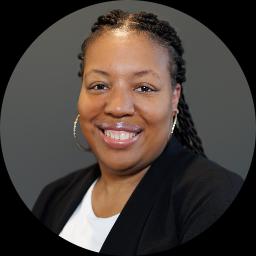
About Myea
Myea Hunt is a Licensed Professional Counselor who practices in Texas and brings seven years of experience in mental health. She focuses on practical help for stress, anxiety, depression, relationship strain, parenting concerns, and life changes. Myea talks in a warm, straightforward way and aims to make therapy feel respectful and direct.
Myea uses approaches that center the person in the room. She listens first, then works with each person to set clear goals.
Background and approach
Sessions emphasize skills that can be used between meetings, not only conversation during them. Her style is interactive and compassionate. She avoids stigmatizing labels and instead addresses the issues a person is facing, such as grief, career strain, compassion fatigue, or self-esteem struggles.
She also helps with complex family-related topics like blended family issues, adoption and foster care questions, and caregiver stress. Myea draws on Cognitive Behavioral Therapy and Solution-Focused methods to build practical steps toward change. She also uses Motivational Interviewing to help people find their own reasons for change and stay motivated.
Those approaches are mixed to match each person's needs and preferences. People who prefer clear goals, concrete strategies, and a collaborative tone tend to fit well with her approach. Myea offers multiple online session formats so people can choose what works best for their schedule and daily life.
Approaches that translate well to online therapy
Client-Centered Therapy focuses on listening and responding to each person's concerns. It emphasizes empathy and working at the person's pace, which helps when people need a supportive space to talk through parenting stress, grief, or self-esteem issues.Cognitive Behavioral Therapy, or CBT, breaks problems into thoughts, feelings, and behaviors and builds practical skills to change unhelpful patterns. CBT works well for anxiety, depression, anger, and coping with life changes because it offers clear exercises and short-term tasks.
Finding the right approach is part of the work together. The therapist will collaborate with each person to choose or blend methods based on their goals, needs, and what feels helpful. That process is flexible and adjusts as progress is made.
Online sessions give practical benefits. Video calls allow face-to-face interaction when visual cues matter. Phone sessions use less bandwidth and can fit into a work break. Live chat or text-based messaging suit quick check-ins, brief coping tools, or people who prefer typed communication. These options make it easier to keep therapy consistent around a busy life.
Questions people ask
What kinds of issues does she help with?
How would you describe her therapeutic style?
What is her background and experience?
Where is she licensed and based?
Which languages are supported for sessions?
What session formats are available?
How much do sessions cost?
How do I begin the process?
What this counselor works with
Most often
- Stress, Anxiety
- Family conflicts
- Parenting issues
Also listed
- Abandonment
- ADHD
- Adoption and foster care
- Anger management
- Blended family issues
- Career difficulties
- Caregiver issues and stress
- Communication problems
- Compassion fatigue
- Control issues
- Coping with life changes
- Depression
- Divorce and separation
- Domestic violence
- Drug and alcohol addiction
- Family problems
- Forgiveness
- Grief
- Guilt and shame
- Infidelity
- Relationship issues
- Self esteem
- Self-love
- Women's issues
- Workplace issues
- Young adult issues
Therapeutic approaches
- Experience
- 7 years
- Licensed
- Texas
- Languages
- English