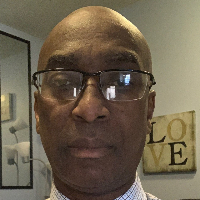
About Montgomery
Dr. Montgomery Prescod helps people who are feeling overwhelmed by anxiety, depression, trauma, stress, and difficult life changes. He practices in South Carolina and brings eight years of experience as a licensed professional counselor.
He speaks English and focuses on practical steps people can use right away. Prescod uses straightforward talking, skill-building, and mindfulness to reduce distress and improve day-to-day coping. Sessions focus on identifying unhelpful patterns and testing small changes that feel manageable.
Background and approach
He draws on cognitive behavioral ideas to shift thoughts and behaviors, and on acceptance-based methods to help people live by their values even when emotions are strong. Because he has a military background, he understands military culture and related stresses, and also emphasizes attention to multicultural and veteran-related concerns.
He works with mood disorders, addictions, ADHD, grief, intimacy and relationship issues, and compassion fatigue among other topics. In session he combines client-centered listening with practical tools such as DBT skills and mindfulness exercises. He also uses motivational interviewing when people want support making life changes like reducing substance use or improving routines.
People who prefer flexible contact options can use video calls, phone sessions, live chat, or text-based messaging. Therapy is delivered through a subscription model that can be canceled at any time, and appointments are scheduled after completing a brief matching questionnaire.
How therapy approaches translate to online care
Acceptance and Commitment Therapy (ACT) helps people notice painful thoughts and feelings without getting stuck, then take actions that match their values; it is useful for anxiety, depression, and coping with life transitions. Cognitive Behavioral Therapy (CBT) focuses on the links between thoughts, feelings, and actions, teaching practical skills to reduce symptoms and change unhelpful habits. Mindfulness Therapy teaches present-moment awareness techniques that reduce reactivity and support emotion regulation.Finding the right approach is part of the work together. The therapist will talk with each person about goals and preferences, and then adapt methods - for example blending CBT skills with ACT or mindfulness - so the plan fits the person's needs. This is a collaborative process where adjustments are made as progress and feedback are shared.
Online formats include video calls, phone sessions, live chat, and text-based messaging, which make it easier to fit therapy around work, caregiving, or travel. Video sessions allow face-to-face conversation and skill practice, phone can be a lower-bandwidth option, live chat is useful for shorter check-ins, and text messaging supports ongoing reminders and brief coaching between sessions. These options offer flexibility while maintaining a consistent therapeutic relationship with a licensed professional.
Questions people ask
What concerns does this counselor address?
What is his general therapy style?
How many years of clinical experience does he have?
What credentials and location are listed?
Which languages and international options are available?
What session formats are offered?
How does payment and cost work?
How do I begin working with him?
What this counselor works with
Most often
- Stress, Anxiety
- Trauma and abuse
- Anger management
Also listed
- Addictions
- ADHD
- Bipolar disorder
- Career difficulties
- Co-morbidity
- Compassion fatigue
- Coping with life changes
- Depression
- Family conflicts
- Grief
- Impulsivity
- Intimacy-related issues
- LGBT
- Mood disorders
- Multicultural concerns
- Parenting issues
- Post-traumatic stress
- Relationship issues
- Self esteem
- Veteran and Armed Forces Issues
Therapeutic approaches
- Experience
- 8 years
- Licensed
- South Carolina
- Languages
- English