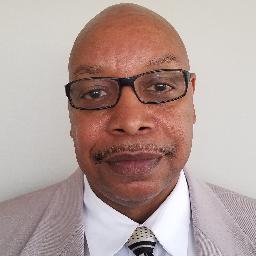
About Michael
Michael Williams is a licensed professional counselor with 35 years of clinical experience. He brings a calm, straightforward style and focuses on practical steps people can use now. Michael practices from Missouri and carries the LPC credential listed in his profile.
He combines talk therapy with attention to emotional patterns and behavior. Sessions typically look at how thoughts, relationships, and daily habits keep problems active. Michael helps people manage stress, anxiety, addictions, trauma, grief, and low self-esteem through clear, goal-oriented work.
Background and approach
Michael trained in psychology at both the bachelor and master level and has a long career supporting people through life transitions. He also has experience with issues such as parenting strain, career questions, compassion fatigue, and ADHD-related challenges. His additional focus areas include aging and geriatric concerns, blended family dynamics, and substance-related problems.
Therapy blends client-centered listening with techniques from cognitive behavioral therapy and attachment-focused work. He often uses mindfulness and emotionally-focused methods to help people name feelings, shift reactions, and build new habits. Sessions balance practical skill-building with time to process difficult memories and emotions.
People seeking help can expect direct communication and a steady, experienced presence in sessions. Michael works by exploring goals, trying new approaches, and adjusting plans as needed. He supports clients who want to improve coping, rebuild confidence, and navigate major life changes.
How his approaches fit with online therapy
Attachment-based work focuses on patterns in relationships and safety in connection; it helps people understand how past bonds shape current reactions and close relationships. Cognitive behavioral therapy looks at the link between thoughts, feelings, and actions and gives concrete tools to change unhelpful thinking and behavior patterns.Finding the right approach is a team effort. The therapist will talk with the client about problems, goals, and preferences and then try methods that match those priorities. If something does not fit, adjustments can be made together so work stays practical and relevant.
Online sessions include video calls, phone sessions, live chat, and text-based messaging to give options for different schedules and needs. Video calls let the therapist and client read facial cues and have fuller conversations. Phone sessions need less bandwidth and can be a good check-in during a busy day. Live chat and messaging support shorter reflections, quick coaching, or ongoing check-ins between longer sessions. These formats make it easier to fit therapy into work, caregiving, or travel routines and to keep regular momentum on goals.
Questions people ask
What concerns does he help with?
What is his therapeutic style?
How long has he practiced?
Where is he licensed and located?
Which languages are supported?
What session formats are available?
How does billing and cost work?
How do I begin working with him?
What this counselor works with
Also listed
- ADHD
- Aging and geriatric issues
- Anger management
- Blended family issues
- Body image
- Career difficulties
- Coaching
- Codependency
- Communication problems
- Compassion fatigue
- Coping with life changes
- Depression
- Domestic violence
- Drug and alcohol addiction
- Fatherhood issues
- Grief
- Guilt and shame
- Jealousy
- Life purpose
- Men's issues
- Midlife crisis
- Multicultural concerns
- Obsessions, compulsions, and OCD
- Panic disorder and panic attacks
- Parenting issues
- Post-traumatic stress
- Postpartum depression
- Process addiction (porn, exercise, gambling)
- Seasonal Affective Disorder (SAD)
- Self esteem
- Sexual dysfunction
- Somatization
- Women's issues
Therapeutic approaches
- Experience
- 35 years
- Licensed
- Missouri, Colorado
- Languages
- English