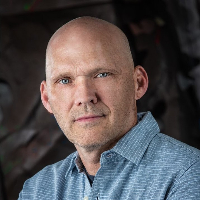
About Michael
Michael Rooney is a Licensed Professional Counselor based in Colorado who helps people facing stress, anxiety, depression, grief, and relationship challenges. He brings a steady, practical style and 24 years of experience to conversations about coping with life changes, addiction, anger, ADHD, and self-esteem concerns. He uses straightforward methods to set goals and teach skills.
Sessions often focus on clear steps you can practice between meetings. Michael combines a client-centered attitude with cognitive-behavioral tools to tackle thoughts and habits that get in the way.
Background and approach
Michael has worked with people affected by trauma and abuse and uses trauma-focused methods when needed. He also has experience supporting people with chronic illness and brain injury, autism spectrum differences, and other long-term health or neurodevelopmental challenges. In sessions he typically helps clients identify what matters most, break problems into manageable pieces, and build routines that reduce stress.
He explains strategies in plain language and checks in to make sure they fit each person's life. Michael offers video calls, phone sessions, live chat, and text-based messaging to make work on goals convenient. He asks new clients to complete a short matching questionnaire to get started and then schedules a first session based on therapist availability.
Therapeutic approaches that work online
Client-centered therapy focuses on listening and understanding where you are coming from. The therapist follows the person's lead, reflects what is said, and helps people clarify values and goals. This approach helps when someone needs a calm space to sort through feelings and decide next steps.Cognitive Behavioral Therapy, or CBT, uses simple exercises to change unhelpful thoughts and behaviors. It often involves setting small, practical tasks between sessions and tracking progress. CBT is useful for anxiety, depression, stress, and some habit patterns where concrete skills make a difference.
Trauma-focused therapy concentrates on reducing the hold of past traumatic events and learning ways to manage upsetting memories or reactions. It pairs careful pacing with strategies to increase coping and safety in daily life.
Choosing the right approach is a collaborative process. The therapist will talk with each person about their needs, goals, and preferences, then adapt methods as the work progresses. Clients and the therapist check in together to see what is helping and what should change.
Online formats offer practical flexibility. Video calls let people work face to face when a visual connection helps. Phone sessions can be a good option when bandwidth is limited or when a shorter check-in fits a break at work. Live chat and text-based messaging provide a way to keep momentum between sessions and to communicate when writing feels easier than speaking.
Questions people ask
What concerns does he help with?
What is his therapy style like?
How much experience does he have?
What are his credentials and where is he based?
Which languages are supported for sessions?
What session formats are available?
How does pricing work?
How do I begin working with him?
What this counselor works with
Most often
- Stress, Anxiety
- Relationship issues
- Trauma and abuse
Also listed
- Addictions
- ADHD
- Anger management
- Antisocial personality
- Autism and Asperger Syndrome
- Chronic pain, illness, and disability
- Communication problems
- Control issues
- Coping with life changes
- Depression
- Divorce and separation
- Emptiness
- Family conflicts
- Family problems
- Grief
- Intellectual disability
- Isolation / loneliness
- LGBT
- Men's issues
- Mood disorders
- Obsessions, compulsions, and OCD
- Parenting issues
- Self esteem
- Traumatic brain injury
- Veteran and Armed Forces Issues
Therapeutic approaches
- Experience
- 24 years
- Licensed
- Colorado
- Languages
- English