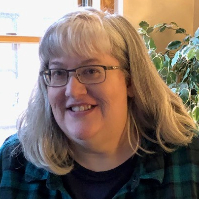
About Melissa
Melissa Mee is a licensed clinician with 19 years of experience helping people through pain and big life changes. She practices in Idaho and combines practical tools with steady, down-to-earth support. Her manner is warm and straightforward, and she focuses on making therapy feel manageable.
Melissa most often uses Cognitive Behavioral Therapy, Acceptance and Commitment Therapy, and client-centered techniques. She applies these approaches to concerns like depression, anxiety, bipolar mood challenges, and trauma from abuse or assault.
Background and approach
She also helps with grief, self-esteem, anger, and the stress of caregiving. Sessions are practical and goal-oriented while staying flexible to each person’s needs. Melissa listens first, then offers strategies you can try between sessions.
She works with people facing relationship strain, life transitions, feelings of isolation, and questions about life purpose. Her background includes a bachelor’s degree and a master’s degree, and she holds an LCPC license in Idaho. Over nearly two decades she has worked with a wide range of mood and stress-related issues and has developed a straightforward style many people find accessible.
People who choose Melissa often want a therapist who is direct, empathetic, and focused on real-world tools. If someone prefers a collaborative, practical approach to managing symptoms and making choices, Melissa aims to match strategies to their goals and daily life.
How therapeutic approaches translate to online care
Acceptance and Commitment Therapy (ACT) focuses on helping people notice their thoughts and feelings without getting stuck in them, and then commit to actions that match their values. It is often used for anxiety, depression, and life changes. Cognitive Behavioral Therapy (CBT) teaches clear skills to identify unhelpful thought patterns and test new behaviors that reduce distress. It is commonly used for mood disorders and stress-related problems.Choosing the right approach is a collaborative process. The therapist will listen to a person’s goals and preferences, try an approach, and adjust as needed. Clients and the therapist work together to decide which strategies feel most useful for day-to-day life and longer term goals.
Online therapy offers flexibility in how sessions happen. Video calls let people maintain face-to-face contact when helpful. Phone sessions can be a simpler option when bandwidth is limited or a shorter check-in is needed. Live chat and text-based messaging let people exchange thoughts between sessions or check in without scheduling a full call. These options make it easier to fit therapy into a busy schedule and to continue care when in-person visits are impractical.
Questions people ask
What kinds of problems does Melissa help with?
How would you describe her therapy style?
What is her professional background?
What credentials and location are listed?
Which languages are supported and are international clients accepted?
What formats are available for sessions?
How is cost handled for therapy with her?
How does someone begin therapy with Melissa?
What this counselor works with
Most often
Also listed
- Aging and geriatric issues
- Anger management
- Bipolar disorder
- Career difficulties
- Caregiver issues and stress
- Compassion fatigue
- Coping with life changes
- Depression
- Dissociation
- Divorce and separation
- Family conflicts
- Family of origin issues
- Forgiveness
- Guilt and shame
- Isolation / loneliness
- Life purpose
- Mood disorders
- Post-traumatic stress
- Relationship issues
- Seasonal Affective Disorder (SAD)
- Sexual assault and abuse
- Stress, Anxiety
- Women's issues
Therapeutic approaches
- Experience
- 19 years
- Licensed
- Idaho
- Languages
- English