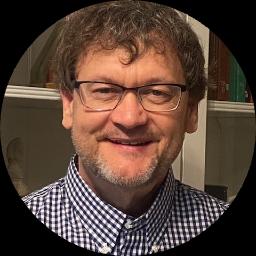
About Mark
Mark Dunn brings 24 years of clinical experience to his counseling practice in North Carolina. He holds the credential LCMHC, LPCC, which shows licensure in counseling across states. He focuses on helping people manage stress, anxiety, depression, and the pain of grief and loss.
He works directly with people who are dealing with relationship strain, low self-esteem, and life changes that feel overwhelming. Sessions aim to be respectful and compassionate, with practical steps that can be used between meetings.
Background and approach
Mark adjusts conversations and plans to match each person's needs and situation. In the room he blends talking therapy with skills practice. He often uses client-centered methods to follow what matters most to the person.
He also draws on cognitive behavioral ideas to help people spot unhelpful thoughts and try new behaviors. Mindfulness techniques and dialectical behavior strategies are added when needed, especially for managing intense emotions and improving day-to-day coping. Motivational interviewing helps people connect with their own goals and keep forward momentum.
Mark aims for straightforward, down-to-earth work. He emphasizes clear steps, small experiments, and steady support. The goal is to help people feel more in control and better able to handle hard moments.
Practical approaches for online counseling
Client-centered therapy focuses on the person’s own goals and values. The therapist follows the client's lead, listens closely, and helps people clarify what matters most to them. Cognitive behavioral therapy (CBT) looks at the links between thoughts, feelings, and behaviors and teaches simple tools to test and change unhelpful patterns. Dialectical behavior therapy (DBT) offers skills for handling strong emotions and improving relationships through clear coping strategies.Choosing the right approach is a collaborative process. The therapist will talk about options, try techniques, and adjust plans based on how a person responds. That way the work stays practical and aligned with the client’s goals and preferences.
Online formats include video calls, phone sessions, live chat, and text-based messaging, which make it easier to fit counseling into a busy life. Video sessions allow face-to-face conversation; phone calls need less bandwidth and can be easier on the go. Live chat or text-based messaging can work well for quick check-ins or when someone prefers not to be on camera. These options give flexibility so people can keep therapy consistent while managing other responsibilities.
Questions people ask
What concerns does Mark commonly help with?
How would you describe his therapeutic style?
What is his professional background?
What credentials and location are listed?
Can sessions be conducted in other languages or internationally?
Which session formats are available?
How are sessions paid for and what do they cost?
What should I do to start therapy?
What this counselor works with
Most often
- Stress, Anxiety
- Relationship issues
- Grief
Also listed
- Attachment issues
- Blended family issues
- Caregiver issues and stress
- Codependency
- Commitment issues
- Communication problems
- Compassion fatigue
- Control issues
- Coping with life changes
- Depression
- Family conflicts
- Family problems
- Forgiveness
- Guilt and shame
- Impulsivity
- Infidelity
- Isolation / loneliness
- Life purpose
- Men's issues
- Money and financial issues
- Narcissism
- Obsessions, compulsions, and OCD
- Polyamory / non-monogamous relationships
- Process addiction (porn, exercise, gambling)
- Self esteem
- Self-love
- Workplace issues
Therapeutic approaches
- Experience
- 24 years
- Licensed
- North Carolina, California
- Languages
- English