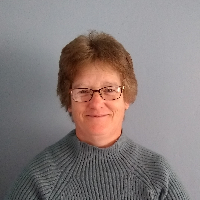
About Lisa
Lisa Draper helps people who feel stuck by meeting them where they are. She writes short, direct sessions and focuses on practical steps that make daily life easier. Lisa is a Licensed Professional Counselor, LPC, practicing from Michigan and bringing seven years of counseling experience to her work.
She draws on approaches like Acceptance and Commitment Therapy, Cognitive Behavioral Therapy, and mindfulness to help people manage stress and anxiety. She also uses EMDR for trauma-related work and motivational interviewing when addressing addictions and change.
Background and approach
Sessions are conversational and goal-oriented, with attention to what a person needs right now. Lisa’s background includes military service and years in first responder and corrections roles. Those experiences shape how she listens to difficult stories and understands strain from high-stress jobs.
She knows how trauma, grief, and loss can affect sleep, mood, and daily functioning. Practical problems Lisa often addresses include coping with life changes, relationship struggles, low self-esteem, anger, compassion fatigue, and issues tied to chronic illness or caregiving. She also supports people facing ADHD, addiction, and bereavement.
Her work often connects emotional coping with concrete routines and skills. In sessions she aims to be a steady partner who walks beside people rather than pushing or directing them. That means pacing treatment to each person’s goals and using strategies that can be practiced between appointments.
Lisa prefers plain language and clear next steps during each visit.
Evidence-informed approaches for online care
Acceptance and Commitment Therapy, or ACT, helps people notice difficult thoughts and feelings without getting stuck in them. It emphasizes values and small actions that move a person toward the life they want. Cognitive Behavioral Therapy, or CBT, focuses on changing unhelpful thinking patterns and behaviors with practical skills for anxiety, depression, and sleep problems. Eye Movement Desensitization and Reprocessing, EMDR, is used to process traumatic memories so they feel less disruptive in daily life and can be helpful for people with a history of abuse or combat trauma.Finding the right approach is a collaborative process. The therapist will talk with each person about their goals, preferences, and what has or hasn’t worked in the past. Together they decide whether to emphasize ACT, CBT, EMDR, mindfulness, or a mix, and the plan is adjusted as progress is made.
Online therapy offers flexible ways to connect including video calls, phone sessions, live chat, and text-based messaging. Video works well for face-to-face conversation and guided EMDR work. Phone sessions use less bandwidth and can fit into a short break. Live chat or messaging can be useful for quick check-ins, homework, or when writing out thoughts helps more than talking. These options make it easier to keep regular work on goals while balancing real-life schedules.
Questions people ask
What concerns does she focus on?
What is her therapeutic approach like?
How much clinical experience does she have?
What credentials and location are listed?
Which languages are supported and can international clients participate?
What session formats are available?
How is cost handled for sessions?
How do I begin working with her?
What this counselor works with
Also listed
- ADHD
- Anger management
- Blended family issues
- Caregiver issues and stress
- Chronic pain, illness, and disability
- Co-morbidity
- Communication problems
- Compassion fatigue
- Coping with life changes
- Coping with natural or human-caused disaster
- Depression
- Dissociation
- Divorce and separation
- Domestic violence
- Emptiness
- First responder issues
- Forgiveness
- Grief
- Guilt and shame
- LGBT
- Midlife crisis
- Mood disorders
- Obsessions, compulsions, and OCD
- Panic disorder and panic attacks
- Personality disorders
- Post-traumatic stress
- Relationship issues
- Seasonal Affective Disorder (SAD)
- Self esteem
- Sleeping disorders
- Social anxiety and phobia
- Traumatic brain injury
- Veteran and Armed Forces Issues
Therapeutic approaches
- Experience
- 7 years
- Licensed
- Michigan, South Carolina
- Languages
- English