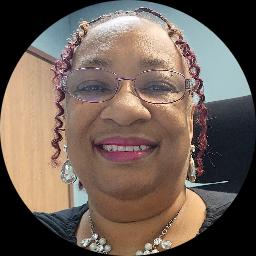
About Leticia
Leticia Graham is a Licensed Professional Counselor with 20 years of clinical experience in Georgia. She focuses on practical support for stress, anxiety, depression, trauma and abuse, anger, and self-esteem concerns. She helps people who feel overwhelmed by worry or strong emotions.
Sessions are straightforward and paced to match each person's needs. Leticia emphasizes respect, sensitivity, and compassion in conversation. Her work often looks at patterns that keep problems repeating.
Background and approach
She talks through coping strategies that can reduce panic, manage anger, and lift low mood. Conversations also address self-worth and motivation so people can rebuild confidence. Leticia adapts the plan to each person's circumstances.
That might mean short-term coping skills, longer work on trauma recovery, or combining both approaches. She pays attention to cultural concerns and life events like postpartum changes or health challenges. She aims to make the first steps less daunting.
Leticia partners with people to set clear, achievable goals and revisits progress as needed. The approach is collaborative and focused on everyday changes that make life more manageable.
Evidence-based approaches for online care
Leticia uses evidence-based therapeutic techniques adapted for online work. She focuses on approaches that teach concrete skills for managing symptoms and improving daily functioning. One common strategy helps people learn breathing and grounding tools to reduce panic and manage anxiety. These are short exercises that can be practiced between sessions to lower immediate distress.Another approach focuses on processing trauma and abuse in manageable steps. This involves talking through events at a pace that feels tolerable, building safety and coping skills first, and then addressing painful memories when the person is ready. That work often improves sleep, mood, and reactions to reminders of traumatic events.
Choosing the right approach is collaborative. The therapist will discuss goals, preferences, and what has or has not worked before, then try methods that fit those needs. Plans are reviewed and adjusted as progress is made.
Online formats include video calls, phone sessions, live chat, and text-based messaging. Video sessions allow face-to-face conversation and visual cues. Phone sessions can be easier when bandwidth is limited or when someone prefers no video. Live chat and messaging are useful for quick check-ins, skill practice, or ongoing support between scheduled appointments. These options add flexibility so therapy can fit into work breaks, caregiving schedules, and daily life.
Questions people ask
What kinds of concerns does she help with?
What is her therapy style like?
How much experience does she have?
Where is she licensed and based?
Which languages are sessions offered in?
Can people outside the U.S. work with her?
What session formats are available?
How are costs and starting steps handled?
What this counselor works with
Most often
- Stress, Anxiety
- Trauma and abuse
- Anger management
Also listed
- Experience
- 20 years
- Licensed
- Georgia
- Languages
- English