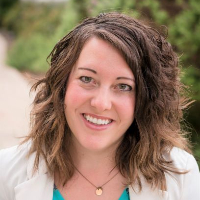
About Laura
Laura Edmonds is a Licensed Professional Counselor (LPC) based in Texas who focuses on helping people manage stress, anxiety, addictions, trauma, and mood challenges. She works with clients on everyday struggles like grief, parenting strain, relationship conflict, and career stress. Sessions are practical and straightforward, aimed at small, doable changes clients can use right away.
With three years of professional experience, Edmonds favors a collaborative style. She listens first, then helps people clarify goals and choose steps that fit their lives.
Background and approach
Therapy often includes skill-building for coping, improving communication, and changing unhelpful thoughts and behaviors. Her approach draws on client-centered methods, cognitive behavioral strategies, and motivational interviewing. Those tools are used to address things like substance use, body image concerns, panic symptoms, and lingering effects of past trauma.
Clients and therapist work together to pick the techniques that feel most useful. Sessions may include talking through triggers, practicing new responses, and making short-term plans to handle difficult moments. Edmonds also uses solution-focused techniques to identify immediate next steps when people are feeling stuck.
People who choose her often want a calm, goal-oriented process. The goal is clearer thinking and better day-to-day coping, not quick fixes. Laura Edmonds helps people take steady steps toward greater emotional balance and healthier relationships.
How these approaches work online
Client-centered therapy focuses on listening and understanding your perspective. The therapist follows your lead, reflects what she hears, and helps you name priorities so sessions stay focused on what matters most. Cognitive behavioral therapy, or CBT, looks at how thoughts, feelings, and actions interact; sessions include simple exercises to test and change unhelpful thoughts and practice new behaviors that reduce anxiety or low mood.Choosing the right approach is part of the work together. The therapist will help you decide which methods fit your goals, needs, and preferences. That decision is made collaboratively and can be adjusted as progress is tracked over time.
Online therapy offers flexible ways to connect: video calls for face-to-face conversation, phone for when video is not possible, live chat for shorter check-ins, and text-based messaging for ongoing support between sessions. These options make it easier to fit therapy into busy schedules, handle quick mood check-ins, manage low-bandwidth situations, or have a brief conversation when a longer session won't fit. Licensed professionals use these formats to keep sessions focused and goal-oriented while adapting to what works best for each person.
Questions people ask
What kinds of concerns can be addressed in sessions?
What is the general therapy style?
What is her background and experience?
Where is she based and licensed?
Which languages are supported for sessions?
What session formats are available?
How does cost and billing work?
How does someone get started?
What this counselor works with
Also listed
- Anger management
- Bipolar disorder
- Body image
- Career difficulties
- Codependency
- Communication problems
- Compassion fatigue
- Coping with life changes
- Dependent personality
- Depression
- Drug and alcohol addiction
- Eating and food-related issues
- Eating disorders
- Family conflicts
- Family of origin issues
- Family problems
- Forgiveness
- Grief
- Guilt and shame
- Intimacy-related issues
- Jealousy
- Mood disorders
- Panic disorder and panic attacks
- Parenting issues
- Post-traumatic stress
- Postpartum depression
- Relationship issues
- Seasonal Affective Disorder (SAD)
- Self esteem
- Sexual assault and abuse
- Social anxiety and phobia
- Women's issues
- Young adult issues
Therapeutic approaches
- Experience
- 3 years
- Licensed
- Texas
- Languages
- English