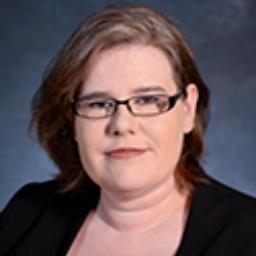
About Kristen
Kristen Meintzer is a licensed professional counselor who helps people manage stress, anxiety, depression, and problems with self-esteem. She talks with clients about relationship struggles, career transitions, ADHD, and coping with life changes in a straightforward, compassionate way. Kristen draws on 13 years of experience and keeps sessions warm and interactive so people can feel heard and understood.
She uses practical, goal-focused methods alongside a human-centered stance. That means she listens first, then works with each person to set clear steps they can try between sessions.
Background and approach
Techniques often include cognitive-behavioral tools to spot unhelpful thoughts and DBT-style skills for handling intense emotions. Kristen has worked in outpatient settings, college counseling, and residential substance abuse treatment. Those varied roles shaped her ability to support people through addictions, career setbacks, and compassion fatigue.
She also brings focused attention to communication problems and issues that affect veterans and armed forces members. In a typical session she blends conversation, skills practice, and short-term strategies. Mindfulness and motivational interviewing are used when they match a client's goals, like building self-love or reducing avoidance in social anxiety.
She avoids labels and centers the person rather than diagnostic tags. Clients who prefer flexible formats can meet by video, phone, live chat, or text messaging. Kristen works from Georgia and offers services in English, and she collaborates with each person to build a plan that fits their life.
Therapeutic approaches and online care that fit your life
Client-centered therapy focuses on listening and meeting people where they are, creating space for each person to set their own goals and pace. Cognitive behavioral therapy, or CBT, helps identify unhelpful thoughts and develop practical steps to change patterns that feed anxiety or low mood. Dialectical behavior therapy, often called DBT, teaches specific skills for handling strong emotions and improving emotional regulation.Finding the best approach is a collaborative process. The therapist will discuss goals, try different techniques, and adjust plans as needed. Together the client and therapist decide which methods feel most helpful and realistic for day-to-day life.
Online sessions are offered by video calls, phone sessions, live chat, or text-based messaging to increase flexibility. Video calls are useful for in-depth conversation and skills practice. Phone sessions can be easier when bandwidth is limited or for a shorter check-in. Live chat and text messaging allow frequent, brief contact and can help maintain momentum between longer sessions. These options make it easier to fit therapy around work, school, or caregiving responsibilities while using approaches like CBT and DBT in the same ways they are used in person.
Questions people ask
What kinds of concerns does she address?
How would you describe her therapy style?
What is her background and experience?
What credentials and location apply?
Which languages and international options are available?
What session formats are offered?
How does payment and cost work?
How do I begin working with her?
What this counselor works with
Most often
- Stress, Anxiety
- Relationship issues
- Self esteem
Also listed
- Addictions
- ADHD
- Bipolar disorder
- Career difficulties
- Communication problems
- Compassion fatigue
- Coping with life changes
- Depression
- Family conflicts
- Self-love
- Social anxiety and phobia
- Veteran and Armed Forces Issues
Therapeutic approaches
- Experience
- 13 years
- Licensed
- Georgia
- Languages
- English