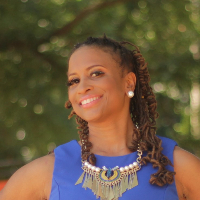
About Kenika
Dr. Kenika Holloway greets people with a calm, practical approach. She listens first, then helps clients name what feels hardest.
She offers clear skills you can use right away to manage stress, anxiety, relationship and intimacy concerns, and changes in life. She also supports work on self-esteem, grief, anger, and addictive behaviors. Holloway emphasizes adapting methods to each person rather than using one fixed plan.
She draws on client-centered techniques to follow what matters to the individual.
Background and approach
Cognitive behavioral ideas help identify unhelpful thinking and build new habits. Attachment-based and emotionally-focused perspectives guide work on closeness and communication when relationships feel stuck. She trained at Mercer University and holds a license as a Licensed Professional Counselor, LPC, in Georgia.
Over nearly two decades she has worked in shelters, substance use treatment settings, community mental health, and independent practice. That background informs practical strategies for stress management, craving or relapse prevention, grief work, and conflict resolution. In sessions she mixes talk, skill teaching, and brief psychoeducation so people leave with usable tools.
She pays attention to spiritual and humanistic values when those are important to the client. People seeking help with career concerns, compassion fatigue, ADHD symptoms, or finding life purpose will find direct, task-focused support. Sessions are offered by video, phone, live chat, or text messaging.
New clients begin by completing a short matching questionnaire and scheduling a session.
How therapeutic approaches shape online sessions
Dr. Holloway often uses client-centered work to make sessions feel focused on what matters most to the client. This approach means the therapist follows the client's concerns, reflects what she hears, and helps people clarify goals and values. Cognitive Behavioral Therapy, or CBT, is used to spot patterns of thinking that increase anxiety or low mood and to practice small behavior changes that reduce symptoms and improve daily routines.Finding the right approach is a collaborative process. She will talk with the client about goals and try methods that fit those goals. If something does not help, she and the client adjust the plan together so the work stays practical and relevant.
Online formats include video calls, phone sessions, live chat, and text-based messaging to suit different needs. Video is useful for a fuller conversation and visual cues. Phone sessions are helpful when bandwidth or camera use is limited. Live chat and text allow brief check-ins, journaling between sessions, or a shorter option for coaching-style support. These options make it easier to fit therapy into a busy life and to continue work across weeks.
Questions people ask
What kinds of concerns does she address?
How would you describe her therapeutic style?
What is her professional background?
What credentials and region are listed for this therapist?
Which languages and international options are available?
What session formats are offered?
How does pricing work for sessions?
What steps do I take to begin working together?
What this counselor works with
Most often
- Stress, Anxiety
- Relationship issues
- Intimacy-related issues
Also listed
- Addictions
- ADHD
- Anger management
- Career difficulties
- Coaching
- Communication problems
- Compassion fatigue
- Coping with life changes
- Grief
- Life purpose
- Seasonal Affective Disorder (SAD)
- Self esteem
- Self-love
- Women's issues
Therapeutic approaches
- Experience
- 19 years
- Licensed
- Georgia
- Languages
- English