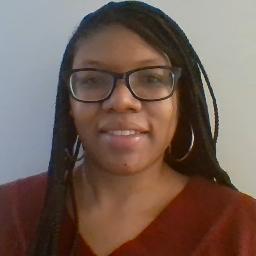
About Jernica
Jernica McNeil is a licensed mental health counselor who aims to help people facing stress, anxiety, depression, grief, trauma, and relationship strain. She keeps sessions straightforward and collaborative. Clients set goals and she offers practical tools to reach them.
McNeil holds a Master of Mental Health Counseling from Walden University and a Bachelor of Psychology from East Carolina University. She is credentialed as an LPC-MHSP and as an LPC in Georgia.
Background and approach
Her practice reflects seven years of counseling experience. Her approach mixes hands-on strategies with trauma-focused methods. She draws from Cognitive Behavioral Therapy to change unhelpful thought and behavior patterns.
Dialectical Behavior Therapy skills are used when emotional regulation and distress tolerance are priorities. For people processing past traumatic events, she incorporates Eye Movement Desensitization and Reprocessing techniques. Solution-Focused Therapy and Motivational Interviewing help when clients want concrete steps and motivation to make changes.
Sessions center on practical steps and measurable progress. McNeil works with individuals and couples, offering a range of session formats to fit different schedules. She emphasizes a team-style relationship where the client’s priorities guide each plan.
The goal is steady, usable change rather than jargon or vague promises.
How her approaches translate to online care
CBT, or Cognitive Behavioral Therapy, looks at the link between thoughts, feelings, and actions. Online CBT focuses on identifying unhelpful thinking and practicing new ways of responding to stress, anxiety, and mood problems. DBT, Dialectical Behavior Therapy, teaches emotion regulation, distress tolerance, and interpersonal skills. Those skills can be taught and practiced during video sessions and reinforced through messages or short exercises between meetings.EMDR, Eye Movement Desensitization and Reprocessing, helps when trauma memories cause ongoing distress. In an online setting the therapist guides clients through structured processing and grounding strategies adapted for remote work. Choosing which approach to use is a collaborative process. The therapist will discuss goals and preferences, try a method, and adjust as needed so the plan fits the person’s needs.
Online sessions are offered by video calls, phone sessions, live chat, and text-based messaging to fit different routines. Video calls allow face-to-face interaction for deeper work while phone sessions can use less bandwidth. Live chat and text messaging are useful for quick check-ins, brief coaching, or when written reflection helps. These options make it easier to maintain continuity of care across busy schedules.
Questions people ask
What concerns does this therapist help with?
What is her therapeutic style like?
What background and experience does she have?
What credentials and location are listed?
Which languages are offered for sessions?
What session formats are available?
How does cost and billing work?
How do I begin working with her?
What this counselor works with
Most often
- Stress, Anxiety
- Relationship issues
- Family conflicts
Also listed
- ADHD
- Adoption and foster care
- Anger management
- Attachment issues
- Career difficulties
- Caregiver issues and stress
- Communication problems
- Compassion fatigue
- Control issues
- Coping with life changes
- Depression
- Disruptive Mood Dysregulation Disorder (DMDD)
- Divorce and separation
- Forgiveness
- Grief
- Guilt and shame
- Impulsivity
- Intimacy-related issues
- LGBT
- Mood disorders
- Parenting issues
- Post-traumatic stress
- Self esteem
- Self-harm
- Social anxiety and phobia
- Trauma and abuse
- Workplace issues
Therapeutic approaches
- Experience
- 7 years
- Licensed
- Georgia, Tennessee
- Languages
- English