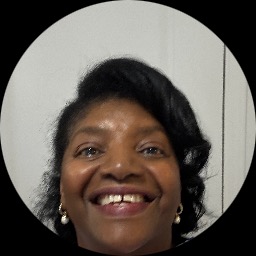
About Jennifer
Jennifer A Fraser is a Licensed Professional Counselor practicing in Texas. She brings 12 years of counseling experience and a direct, supportive approach to sessions. She uses straightforward methods to help with stress, anxiety, depression, grief, and compassion fatigue.
She also helps people facing relationship and family concerns, anger, low self-esteem, and major life changes. Additional focus areas include postpartum depression, caregiver stress, aging and geriatric issues, and end-of-life concerns.
Background and approach
Her work blends Cognitive Behavioral Therapy, Solution-Focused Therapy, and Narrative Therapy. Jennifer concentrates on practical strategies people can use between sessions. She also offers space to tell personal stories and reframe difficult experiences.
Jennifer can include spiritual or Christian perspectives when a client asks, and she adjusts conversations to match each person’s needs. Sessions aim to be encouraging and interactive, with an emphasis on small steps that build resilience. People who want clear tools, a listening ear, and help making short-term changes often find this style useful.
She invites clients to explore life purpose, forgiveness, multicultural concerns, and coping skills in a calm, respectful setting.
Therapeutic approaches for online work
Jennifer uses Cognitive Behavioral Therapy and Narrative Therapy as core approaches in online sessions. CBT helps identify unhelpful thoughts and builds specific skills to manage anxiety, depression, and stress through practical exercises. Narrative Therapy focuses on the stories people tell about themselves and helps reframe those stories to reduce shame, improve self-esteem, and clarify values.Choosing the right approach is part of the work together. She will talk with each person about their goals and preferences and then recommend options that fit. The plan can change over time as needs shift, and the therapist and client make those decisions collaboratively.
Online formats include video calls, phone sessions, live chat, and text-based messaging. Video calls let people work face to face from different locations. Phone sessions can be a good option when bandwidth is limited or a shorter check-in is needed. Live chat and text messaging are useful for brief updates, coping reminders, or when someone prefers writing instead of speaking. These options make it easier to fit sessions into a busy schedule and keep continuity of care when life gets in the way.
Questions people ask
What kinds of concerns does she address?
What is her therapeutic style like?
How much clinical experience does she have?
Where does she practice and what are her credentials?
Which languages are sessions offered in?
What session formats are available?
How are fees and billing handled?
How do I begin working with her?
What this counselor works with
Most often
Also listed
Therapeutic approaches
- Experience
- 12 years
- Licensed
- Texas
- Languages
- English