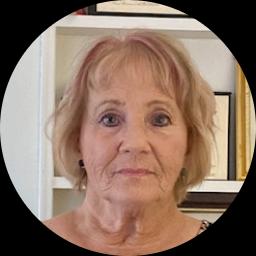
About Jane
Jane Amons is a Licensed Professional Clinical Counselor who offers steady, experienced support for people facing mood struggles and life changes. She brings calm, respectful care and practical help when depression, anxiety, addiction, or relationship strain feel overwhelming. With 30 years of practice, Jane focuses on meeting each person where they are.
She listens first, then works together with clients to set clear goals. Conversations are tailored to what matters most to the client rather than a one-size plan.
Background and approach
Her work often addresses depression, bipolar mood concerns, panic and social anxiety, and problems tied to substance use. She also helps people navigate divorce and separation, family problems, and the loneliness that can follow major life shifts. Jane draws on methods such as cognitive behavioral work, dialectical behavior strategies, and trauma-focused approaches to shape practical steps people can try between sessions.
She also uses client-centered and solution-focused tools to build strengths and coping skills. Sessions are offered in English and conducted from Ohio. Jane approaches care with sensitivity and respect, aiming to create a space where people can speak honestly, learn new options, and take manageable next steps toward feeling better.
How Jane’s approaches work online
Client-Centered Therapy focuses on listening and understanding the person’s experience. The therapist follows the client's lead, helping people name priorities and find their own solutions. Cognitive Behavioral Therapy (CBT) looks at how thoughts, feelings, and actions connect and teaches practical skills to change unhelpful patterns. It is often used for depression, anxiety, and mood symptoms. Dialectical Behavior Therapy (DBT) emphasizes emotional regulation, distress tolerance, and communication skills. It can help with intense emotions, relationship conflicts, and impulse-related problems.Choosing the right approach is a collaborative process. The therapist will discuss goals, try methods that fit the client's needs, and adjust the plan over time. Clients and the therapist work together to pick tools that feel useful and realistic for daily life.
Online formats include video calls, phone sessions, live chat, and text-based messaging, which make therapy easier to fit into a busy schedule. Video lets people use visual cues and structured session time. Phone sessions are low-bandwidth and can be a good option when screens are not ideal. Live chat and text messaging allow brief check-ins and flexible communication between appointments. These options help people access care from different locations and routines.
Questions people ask
What kinds of concerns does Jane help with?
What is her therapeutic style like?
How much experience does she have?
What credentials and region does she represent?
Which languages are supported and can international clients join?
What session formats are available?
How are fees and subscriptions handled?
How do I begin working with her?
What this counselor works with
Most often
- Addictions
- Relationship issues
- Bipolar disorder
Also listed
- Codependency
- Communication problems
- Coping with life changes
- Depression
- Divorce and separation
- Drug and alcohol addiction
- Family problems
- Forgiveness
- Guilt and shame
- Intellectual disability
- Isolation / loneliness
- Mood disorders
- Panic disorder and panic attacks
- Post-traumatic stress
- Pregnancy and childbirth
- Social anxiety and phobia
- Veteran and Armed Forces Issues
Therapeutic approaches
- Experience
- 30 years
- Licensed
- Ohio, West Virginia
- Languages
- English