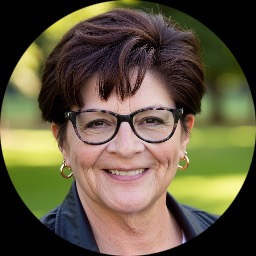
About Elizabeth
Elizabeth Pacheco is a licensed professional counselor with 21 years of experience. She focuses on practical, down-to-earth help for people coping with stress, anxiety, depression, addiction, and relationship problems. She speaks English and Spanish and brings a commitment to cultural awareness to each session.
Her work emphasizes listening first. She creates space for people to describe what feels hard and then helps them build clear steps forward. Sessions are straightforward and goal-oriented, aimed at improving daily functioning and emotional resilience.
Background and approach
Pacheco has long experience supporting people facing grief, trauma, and major life transitions. She also supports those navigating issues tied to identity, prejudice, and multicultural concerns. Her background includes work with first responders, people facing immigration-related stress, and hospice or end-of-life situations.
Therapeutic methods include client-centered approaches, cognitive behavioral techniques, dialectical behavior strategies, motivational interviewing, and solution-focused work. These methods are used to help address coping skills, mood regulation, substance concerns, and interpersonal patterns. She approaches sessions with compassion and practical problem solving.
The aim is to collaborate on realistic goals and small, measurable changes. People who want a direct, culturally aware counselor may find her style helpful.
Therapeutic approaches for online healing and skill building
Client-centered therapy focuses on listening without judgment and helping people find their own solutions. It is useful when someone needs a supportive space to understand feelings and decide what matters most to them.Cognitive Behavioral Therapy, or CBT, helps identify unhelpful thoughts and change behaviors that reinforce difficult feelings. It is often used for anxiety, depression, and coping with life changes because it teaches specific tools people can use between sessions.
Dialectical Behavior Therapy, DBT, emphasizes emotion regulation, distress tolerance, and improving relationships. It can help when strong emotions or intense reactions get in the way of daily life.
Choosing the right approach is a shared process. The therapist will discuss goals, try techniques, and adjust plans based on what works best for each person. That collaborative process helps match methods to individual needs and preferences.
Online therapy offers several practical advantages. Video calls let people meet face-to-face without travel. Phone sessions can work well when bandwidth or camera use is limited. Live chat and text-based messaging support shorter check-ins, quick skill practice, or ongoing encouragement between sessions. These options add flexibility for different schedules and comfort levels while using the therapeutic approaches described above.
Questions people ask
What kinds of concerns does she address?
What is her general therapeutic style?
How much experience does she have?
What credentials and region apply to her practice?
In which languages are sessions offered?
What session formats are available?
How does payment and cost work?
How do I begin working with her?
What this counselor works with
Most often
- Stress, Anxiety
- Addictions
- Relationship issues
Also listed
- Anger management
- Bipolar disorder
- Coping with life changes
- Depression
- Family conflicts
- First responder issues
- Grief
- Hospice and end-of-life counseling
- Immigration issues
- Intimacy-related issues
- LGBT
- Multicultural concerns
- Parenting issues
- Polyamory / non-monogamous relationships
- Prejudice and discrimination
- Self esteem
- Trauma and abuse
Therapeutic approaches
- Experience
- 21 years
- Licensed
- Arizona, Colorado
- Languages
- English, Spanish