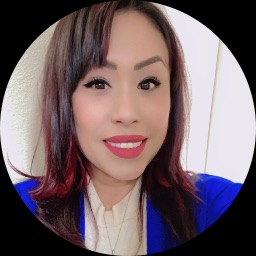
About Elizabeth
Dr. Elizabeth Marrufo-Esmele is a licensed professional counselor (LPC) in Texas who helps people manage stress, anxiety, depression, and the effects of trauma. She also supports those dealing with addictions, relationship and intimacy concerns, grief, and struggles with self-esteem and mood.
Her approach centers on meeting each person where they are and building on their existing strengths. She sees the first step as an act of courage and offers steady, practical support as people make changes.
Background and approach
Sessions focus on clear goals and usable skills rather than long lectures. Conversations are collaborative and tailored to what matters most to each person. Elizabeth draws from client-centered therapy to keep the conversation grounded in the client’s priorities.
She uses cognitive behavioral tools to identify thinking patterns that feed anxiety or low mood. Mindfulness techniques are introduced to help with emotional regulation and grounding after trauma. When relationship issues come up, she uses elements of the Gottman Method to help people notice patterns and improve communication.
Solution-focused strategies keep work focused on small, achievable steps that build momentum between sessions. With five years of experience, Elizabeth blends practical methods with a warm, respectful style. She encourages people to try approaches and adjust them as needed.
Her goal is to help clients develop clearer coping tools and stronger day-to-day habits that support longer-term change.
How therapy approaches translate to online care
Client-Centered Therapy puts your needs at the center of each session and focuses on what you want to change; online sessions follow your lead and adapt to your pace. Cognitive Behavioral Therapy (CBT) breaks problems into thoughts, feelings, and actions and teaches concrete tools to shift unhelpful patterns, which works well in short skill-building exercises over video or messaging. The Gottman Method targets communication patterns and practical interactions, helping people learn new ways to talk and solve problems in regular check-ins.Finding the right approach is part of the work. The therapist will talk with you about your goals and try methods that fit your situation. Choices are adjusted together over time so the plan stays useful and matches what helps you most.
Online formats include video calls, phone sessions, live chat, and text-based messaging to fit different needs. Video is useful for in-depth conversations and practicing interactions. Phone sessions can be easier when bandwidth is limited. Live chat or text messaging are good for brief check-ins, coaching-style support, or when you want shorter, more frequent contact. These options make it simpler to fit therapy into a busy life and try different ways of working without changing providers.
Questions people ask
What concerns does this therapist address?
How would you describe the therapy style?
What is her professional background?
What credentials and location are listed?
Which languages are supported and are international clients accepted?
What session formats are available?
How does cost and billing work?
How do I begin working with this therapist?
What this counselor works with
Most often
- Stress, Anxiety
- Addictions
- Relationship issues
Also listed
- Anger management
- Bipolar disorder
- Codependency
- Communication problems
- Coping with life changes
- Depression
- Drug and alcohol addiction
- Emptiness
- Forgiveness
- Grief
- Guilt and shame
- Intimacy-related issues
- LGBT
- Mood disorders
- Parenting issues
- Post-traumatic stress
- Self esteem
- Self-love
- Sexual assault and abuse
- Social anxiety and phobia
- Trauma and abuse
Therapeutic approaches
- Experience
- 5 years
- Licensed
- Texas
- Languages
- English