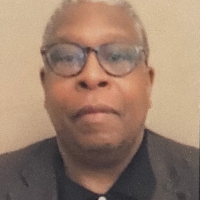
About Edwin
Edwin Wea greets people who are feeling stressed, anxious, overwhelmed, or stuck in patterns that hurt relationships. He is Edwin Wea, LCPC, LMHC, and he aims to build a respectful, steady space where someone can talk through what matters most. Sessions are focused on practical change and on recognizing strengths already present in each person.
With 20 years of experience, he draws on several familiar methods to guide the work.
Background and approach
He uses client-centered ideas to make the conversation feel collaborative and nonjudgmental. He also applies cognitive behavioral techniques to identify thoughts and behaviors that keep problems going. When relationship pain or family tension shows up, he practices emotionally-focused strategies to help people connect and communicate differently.
He also offers mindfulness and hypnotherapy tools for managing stress, sleep problems, and trauma-related symptoms. Edwin works with issues such as addiction, grief, LGBT concerns, intimacy, parenting strain, anger, self-esteem, career questions, bipolar, ADHD, and coping with life changes. He has additional focus on first responder and veteran concerns, multicultural dynamics, infidelity and non-monogamous relationship challenges.
Sessions are offered in English and take place online through several formats. He encourages people to take therapy at their own pace and to shape goals together. His approach emphasizes respect, realistic steps, and steady progress.
How therapeutic approaches work online
Client-centered therapy centers the person's own perspective and priorities, with the therapist listening closely and shaping sessions around what the client wants to address. This style helps with motivation, confidence, and deciding practical next steps.Cognitive behavioral therapy (CBT) focuses on identifying unhelpful thoughts and patterns that feed anxiety, depression, or addictive behaviors. It breaks concerns into manageable steps and gives concrete skills to practice between sessions.
Emotionally-focused therapy (EFT) helps people recognize and change interaction patterns in close relationships. It is useful when communication, trust, or emotional connection are under strain.
Finding the right mix of approaches is part of the work. The therapist will talk with each person about goals, past efforts, and what feels most helpful. Together they decide which methods to try and adjust them over time based on what is working.
Online sessions are available by video, phone, live chat, or text-based messaging, which makes it easier to fit therapy into a busy life. Video calls allow face-to-face conversation, phone works with lower bandwidth, live chat suits short check-ins, and messaging supports frequent, brief updates between sessions. These options help people maintain consistency and access care from different locations.
Questions people ask
What kinds of problems does he work with?
What is his approach in session?
How much experience does he bring?
Where is he licensed and practicing?
Which languages are sessions offered in?
Can sessions be online or by phone?
How is cost handled for sessions?
What do I do to begin therapy?
What this counselor works with
Most often
- Stress, Anxiety
- Addictions
- Relationship issues
Also listed
- ADHD
- Anger management
- Bipolar disorder
- Career difficulties
- Coaching
- Compassion fatigue
- Coping with life changes
- Depression
- Family conflicts
- First responder issues
- Grief
- Infidelity
- Intimacy-related issues
- Jealousy
- LGBT
- Multicultural concerns
- Parenting issues
- Polyamory / non-monogamous relationships
- Self esteem
- Sleeping disorders
- Trauma and abuse
- Veteran and Armed Forces Issues
Therapeutic approaches
- Experience
- 20 years
- Licensed
- Nevada
- Languages
- English