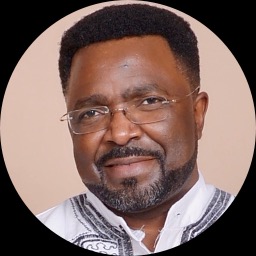
About Edmore
Edmore Mangena is a licensed professional counselor in Alaska with 16 years of experience. He focuses on helping people manage stress, anxiety, addiction, trauma, grief, and depression. He aims to create a calm space where clients can speak openly about difficult feelings and begin to make changes.
He centers sessions on practical steps people can use right away. Conversations often include coping strategies for panic, tools for handling cravings, and ways to manage intense emotions after loss or trauma.
Background and approach
He also helps people work through relationship and intimacy concerns, career stress, and questions about life purpose. Sessions are straightforward and down-to-earth. He listens, asks clear questions, and helps clients set small, achievable goals.
The approach is collaborative - clients and therapist decide what to try and check progress together. Edmore brings experience supporting people after natural or human-caused disasters, during separation or divorce, and through domestic violence recovery. He also addresses compassion fatigue, postpartum mood struggles, seasonal affective patterns, and challenges like guilt, shame, and isolation.
People who want practical tools and steady support often find this style helpful. He encourages gradual change, stronger self-care, and clearer thinking about next steps. The work moves at each person’s pace and focuses on what matters most to them.
Approaches and how online sessions work
Edmore uses evidence-based therapeutic techniques focused on practical coping and recovery. One common approach is structured coping skills work, which teaches step-by-step tools for anxiety, panic attacks, and mood swings. Another approach emphasizes relapse prevention and behavioral strategies for addictions, helping people recognize triggers and build alternative routines.Choosing the right approach is part of the work. He will collaborate with each person to decide which methods fit their goals, symptoms, and daily life. That plan can change over time as progress is tracked and new needs appear.
Online therapy offers flexibility for people with busy schedules or geographic limitations. Video calls allow face-to-face conversation when visual cues are helpful. Phone sessions work when bandwidth is limited or video is not convenient. Live chat and text-based messaging are useful for brief check-ins, step-by-step coping prompts, or when someone prefers written conversation. These options make it easier to maintain consistent appointments and to try techniques in real time between sessions.
Questions people ask
What kinds of concerns does he address?
How would you describe his therapy style?
How much clinical experience does he have?
What are his credentials and where is he located?
Which languages are supported in sessions?
What formats are available for sessions?
How are costs handled for sessions?
How do I begin working with him?
What this counselor works with
Also listed
- Anger management
- Bipolar disorder
- Career difficulties
- Compassion fatigue
- Coping with life changes
- Coping with natural or human-caused disaster
- Depression
- Divorce and separation
- Domestic violence
- Drug and alcohol addiction
- Family conflicts
- Forgiveness
- Grief
- Guilt and shame
- Intimacy-related issues
- Isolation / loneliness
- Life purpose
- Panic disorder and panic attacks
- Parenting issues
- Post-traumatic stress
- Postpartum depression
- Relationship issues
- Seasonal Affective Disorder (SAD)
- Self esteem
- Self-love
- Experience
- 16 years
- Licensed
- Alaska
- Languages
- English