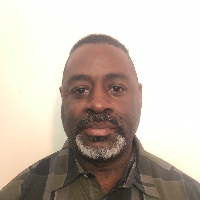
About Dwayne
Dwayne Kilgore is a Licensed Professional Counselor (LPC) based in Texas who focuses on trauma-related concerns and mood disorders. He brings six years as an LPC and more than 15 years as a Christian lay counselor in the Dallas area to his work.
Dwayne aims to create a warm and interactive space where people can feel heard and begin to rebuild after difficult experiences. He commonly helps people dealing with trauma and post-traumatic stress, and has experience supporting veterans with trauma-related challenges.
Background and approach
He also supports people coping with anxiety, depression, panic attacks, bipolar mood concerns, and grief. Intimacy issues, anger, and struggles with self-esteem are also frequent topics in his practice. Dwayne uses practical, evidence-informed tools in sessions.
He draws on Cognitive Behavioral Therapy to help people notice unhelpful thinking and shift behaviors. Motivational Interviewing and Solution-Focused techniques guide short-term goal setting and clearer next steps. Trauma-Focused approaches are used for processing traumatic memories and reducing their day-to-day impact.
Sessions tend to be collaborative and interactive. He works to help people identify small, achievable changes and build on them over time. Dwayne emphasizes partnership in the work and encourages clients to take an active role in shaping therapy goals.
People who choose him should expect a straightforward, supportive approach that balances practical skills with talk-based processing. He aims to help clients regain a sense of control and move toward the daily life they want.
Therapeutic approaches and how they work online
Dwayne uses Cognitive Behavioral Therapy and Trauma-Focused methods in his online work. Cognitive Behavioral Therapy helps people notice patterns of thinking that feed anxiety or low mood and practice different responses. It is often helpful for panic, social anxiety, depression, and mood regulation. Trauma-Focused Therapy concentrates on processing traumatic memories and reducing their impact on everyday life, which suits post-traumatic stress and abuse-related concerns.Choosing the right approach is a collaborative process. The therapist will discuss goals, symptoms, and preferences, and together they will decide which methods to try first. Plans can be adjusted over time so the work stays practical and focused on what the person wants to change.
Online formats include video calls, phone sessions, live chat, and text-based messaging. Video sessions allow face-to-face conversation and use of worksheets or screen-sharing when helpful. Phone sessions can be a good option when bandwidth is limited or a simpler check-in is needed. Live chat and text messaging make it easier to fit brief check-ins or homework support into a busy day. These options offer flexibility so therapy can fit around work, parenting, or other responsibilities.
Questions people ask
What issues does he commonly address?
What is his therapeutic style like?
How much clinical experience does he have?
Where is he licensed and based?
Which languages are supported?
What session formats are available?
How are fees and billing handled?
How do I begin working with him?
What this counselor works with
Also listed
- Anger management
- Bipolar disorder
- Codependency
- Communication problems
- Coping with natural or human-caused disaster
- Family problems
- Fatherhood issues
- Forgiveness
- Grief
- Intimacy-related issues
- Life purpose
- Men's issues
- Money and financial issues
- Mood disorders
- Panic disorder and panic attacks
- Post-traumatic stress
- Self esteem
- Social anxiety and phobia
- Veteran and Armed Forces Issues
Therapeutic approaches
- Experience
- 6 years
- Licensed
- Texas
- Languages
- English