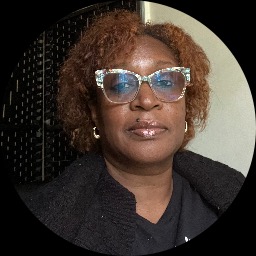
About Deanna
Deanna Dillard is a Licensed Professional Counselor (LPC) practicing in Georgia with 18 years of clinical experience. She focuses on helping people manage stress, anxiety, addictions, and relationship concerns. Her approach is straightforward and practical, aimed at making day-to-day life feel more manageable.
She creates a calm, nonjudgmental space where clients can talk about difficult feelings. Sessions emphasize listening and understanding first. Then she and the client work together to set clear goals and small steps toward change.
Background and approach
Deanna uses client-centered methods to honor each person's values and choices. She also draws on cognitive behavioral ideas to spot unhelpful thinking and try new behaviors. For relationship concerns she integrates elements of the Gottman Method to improve communication and reduce harmful cycles.
Her background includes long experience addressing trauma, grief, LGBT issues, and complications like hoarding or infidelity. She also supports people struggling with sleep, eating, anger, and self-esteem challenges. Deanna works with concerns related to ADHD, bipolar mood shifts, and compassion fatigue.
Sessions are offered in English and she accepts international clients. She aims to meet people where they are and to build practical routines that fit real life. If someone wants steady support through change, she helps create a plan that can be followed week to week.
Therapeutic approaches for online care
Deanna commonly blends client-centered work and cognitive behavioral techniques when offering online therapy. Client-Centered Therapy focuses on listening closely to each person's experience and reflecting it back so they feel understood; this approach helps when someone needs acceptance and a steady ally while they sort feelings. Cognitive Behavioral Therapy, or CBT, looks at the links between thoughts, feelings, and actions and offers concrete exercises to try different responses; this is useful for anxiety, mood concerns, and changing habits.Choosing the right approach is part of the therapy process. The therapist collaborates with each client to identify goals, try methods that match their needs, and adjust course based on what helps most. That teamwork helps make sessions feel relevant and practical rather than one-size-fits-all.
Online formats include video calls, phone sessions, live chat, and text-based messaging, which provide flexibility for different schedules and preferences. Video lets people read visual cues and work in a close conversational format. Phone sessions can be easier when bandwidth is limited or when a shorter check-in is needed. Live chat and text messaging are helpful for brief updates, real-time support between sessions, or when someone prefers written communication. These options make it simpler to keep therapy consistent while fitting into work, family, and daily life.
Questions people ask
What kinds of problems does she help with?
How would you describe her therapeutic style?
What is her professional background?
What credentials and region are associated with this therapist?
Can I work with her if I live outside the United States?
What session formats are available?
How are sessions paid for and what does it cost?
How do I begin working with her?
What this counselor works with
Most often
- Stress, Anxiety
- Addictions
- Relationship issues
Also listed
- ADHD
- Anger management
- Bipolar disorder
- Career difficulties
- Compassion fatigue
- Coping with life changes
- Depression
- Eating disorders
- Family conflicts
- Gender dysphoria
- Grief
- Hoarding
- Infidelity
- Intellectual disability
- Intimacy-related issues
- Jealousy
- LGBT
- Multicultural concerns
- Parenting issues
- Polyamory / non-monogamous relationships
- Self esteem
- Sleeping disorders
- Trauma and abuse
- Veteran and Armed Forces Issues
Therapeutic approaches
- Experience
- 18 years
- Licensed
- Georgia, South Carolina
- Languages
- English