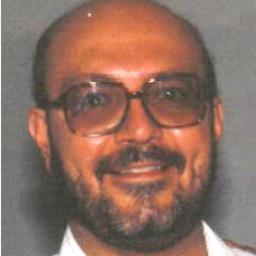
About David
Dr. David Posipanka uses a straightforward, client-centered approach to help people manage stress, anxiety, addictions, parenting challenges, depression, and life transitions. He is a Licensed Professional Counselor (LPC) practicing in Pennsylvania with 30 years of experience.
He aims to make the first steps toward change feel manageable and supported. He creates a calm space where people can talk about their thoughts and feelings without judgment. Conversations focus on what matters most to the individual and on practical next steps they can try between sessions.
Background and approach
He draws on cognitive behavioral tools to spot patterns in thinking and behavior that keep problems going. Mindfulness methods are woven into sessions to help with stress, impulsivity, and coping when emotions run high. Motivational interviewing is used when someone is ambivalent about change, especially around substance use or other addictive behaviors.
Existential ideas help people facing big life questions and transitions to find meaning and direction. Over three decades, his work has included concerns from abandonment and attachment issues to chronic illness, first responder stress, fatherhood questions, and recovery from substance use. He also addresses grief, guilt, and problems that come after separation or divorce.
Sessions are designed to be practical and focused on small, achievable steps. He accepts international clients and conducts sessions in English. Prospective clients can expect a steady, patient style that emphasizes collaboration and realistic goals.
Approaches that fit online care and everyday life
Client-centered therapy puts the person and their priorities at the center of each session, with the therapist listening closely and adapting to what the client needs in that moment. This approach helps when someone simply needs steady, nonjudgmental support while figuring out next steps.Cognitive Behavioral Therapy (CBT) focuses on the link between thoughts, feelings, and actions. It teaches simple, practical strategies to change unhelpful thinking and behaviors, which can help with anxiety, depression, impulsivity, and addiction-related patterns.
Mindfulness techniques are used to help people notice how they react to stress and to build small habits for calming down and staying present. These methods are useful for managing stress, chronic pain, and emotional reactivity.
Finding the right mix of approaches is a joint process. The therapist will work collaboratively to choose methods that match the client's goals, values, and pace. Sessions begin with discussion of what the person hopes to change, followed by agreed-upon steps to try between meetings.
Online therapy can be practical and flexible. Video calls allow face-to-face conversation from wherever the client is. Phone sessions work when bandwidth or being on camera is difficult. Live chat and text-based messaging offer shorter check-ins, quick problem-solving, or support between longer sessions. These formats make it easier to fit therapy into a busy schedule and keep momentum between appointments.
Questions people ask
What kinds of concerns does this therapist address?
What style of therapy does he use?
How much experience does he have?
Where is he licensed and based?
Are sessions available in other languages or internationally?
What session formats are offered?
How are sessions paid for and what do they cost?
How do I begin working with him?
What this counselor works with
Most often
- Stress, Anxiety
- Addictions
- Parenting issues
Also listed
- Abandonment
- Aging and geriatric issues
- Attachment issues
- Chronic pain, illness, and disability
- Codependency
- Coping with life changes
- Coping with natural or human-caused disaster
- Dependent personality
- Depression
- Disruptive Mood Dysregulation Disorder (DMDD)
- Divorce and separation
- Drug and alcohol addiction
- Fatherhood issues
- First responder issues
- Forgiveness
- Guilt and shame
- Impulsivity
- Life purpose
- Men's issues
- Midlife crisis
- Money and financial issues
- Mood disorders
- Multicultural concerns
- Obsessions, compulsions, and OCD
- Panic disorder and panic attacks
- Phobias
- Process addiction (porn, exercise, gambling)
- Seasonal Affective Disorder (SAD)
- Smoking / vaping cessation
- Veteran and Armed Forces Issues
- Workplace issues
Therapeutic approaches
- Experience
- 30 years
- Licensed
- Pennsylvania
- Languages
- English