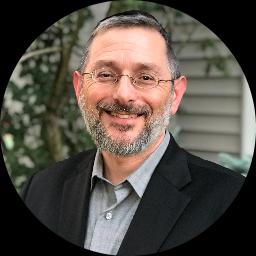
About David
David Ordan is a Licensed Professional Counselor (LPC) based in Wisconsin who focuses on relationship and career concerns. He brings five years of clinical experience and aims to help people reconnect with their strengths. He often works with individuals and couples looking to move forward after setbacks.
He begins by talking about the key relationships in a person’s life and how those have shaped current patterns. Sessions look at what already works in someone’s life and build on those strengths.
Background and approach
The goal is practical change that can be used day to day. David uses a mix of approaches drawn from Acceptance and Commitment Therapy, Client-Centered methods, Motivational Interviewing, and relationship-focused models like the Gottman Method and Imago Relationship Therapy. He adapts these tools to the needs and goals a person brings into the room.
Conversations are collaborative and goal-oriented rather than overly medical or diagnostic. People often come for career transitions, dating and relationship challenges, parenting and blended family issues, or to address grief, guilt, and loneliness. He also offers coaching for life purpose and help with compassion fatigue.
He pays attention to communication problems, control issues, and feelings of emptiness that can get in the way of daily life. In sessions David helps clients name practical steps and small experiments to try between meetings. He supports clearer communication, mending difficult patterns, and planning next steps in work or relationships.
The pace fits the person and focuses on usable, real-world change.
Therapeutic approaches and how they work online
Acceptance and Commitment Therapy (ACT) focuses on noticing unhelpful thoughts and choosing actions that reflect personal values. It can help people move forward when stuck by clarifying what matters and taking small, value-driven steps. Client-Centered Therapy emphasizes a nonjudgmental, listening stance where the therapist reflects and supports a person’s self-discovery; this approach helps people feel heard and better able to make their own choices. The Gottman Method offers structured tools for improving communication and repairing conflict in relationships, useful when couples want practical ways to reduce arguing and rebuild connection.Finding the right approach is part of the work. The therapist will collaborate with each person to identify which methods fit their goals and comfort level. Treatment can mix techniques from several approaches and change over time based on how things are progressing.
Online sessions are offered as video calls, phone sessions, live chat, or text-based messaging to make therapy more flexible. Video is good for deeper conversations and reading nonverbal cues, phone works when bandwidth is low or when someone prefers not to be on camera, and messaging suits quick check-ins or coaching-style support. These options help people fit therapy into busy lives, handle sudden scheduling needs, and continue care during life transitions.
Questions people ask
What concerns does he help with?
What is his therapy style like?
How much clinical experience does he have?
What credentials and location are listed?
Are sessions available in other languages?
Which session formats does he offer?
How are fees handled?
How do I begin working with him?
What this counselor works with
Most often
- Relationship issues
- Family conflicts
- Parenting issues
Also listed
- Blended family issues
- Career difficulties
- Coaching
- Communication problems
- Compassion fatigue
- Control issues
- Coping with life changes
- Dependent personality
- Divorce and separation
- Emptiness
- Family of origin issues
- Family problems
- Fatherhood issues
- Forgiveness
- Grief
- Guilt and shame
- Intimacy-related issues
- Isolation / loneliness
- Jealousy
- Life purpose
- Men's issues
- Midlife crisis
- Money and financial issues
- Self esteem
- Self-love
- Sexuality
- Workplace issues
Therapeutic approaches
- Experience
- 5 years
- Licensed
- Wisconsin, New Jersey
- Languages
- English