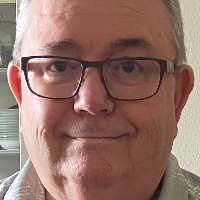
About David
David Affolter helps people facing stress, anxiety, trauma, depression, and relationship or intimacy concerns. He also works with those dealing with addictions, grief, parenting strain, career questions, and life changes. David uses simple, direct conversation to help people find clearer paths forward.
He began his working life in the Air Force and then spent nearly twenty years as a high school teacher and coach. Those years shaped his approach - practical guidance, steady listening, and encouragement.
Background and approach
After his children grew and he wanted to continue helping others, he completed a graduate degree in Community Counseling and moved into clinical work. David holds the credentials LMHC and LPCC. He has practiced for 27 years and is based in Ohio.
He describes counseling as a chance to offer new information and fresh perspectives so people can choose a direction that fits them. In sessions he combines real-world problem solving with emotional support. He draws on approaches that emphasize values, skills, and behavior change so clients can try things that improve day-to-day life.
People often leave with clearer steps, better communication skills, and a stronger sense of purpose. He aims to make the work collaborative. David listens, asks practical questions, and helps set goals together.
His style is warm, plainspoken, and focused on helping people move toward the life they want.
How targeted approaches work in online counseling
Acceptance and Commitment Therapy (ACT) helps people clarify what matters to them and take small actions that align with those values. It’s useful for anxiety, depression, and life transitions where people want clearer direction. Cognitive Behavioral Therapy (CBT) focuses on identifying unhelpful thoughts and testing new behaviors to reduce symptoms like panic or low mood. It often involves homework and step-by-step skill practice.Finding the right approach is part of the work. The therapist will talk with the client about goals and preferences, then try strategies together to see what fits. That collaborative testing helps shape a plan that matches the person’s needs and pace.
Online formats include video calls, phone sessions, live chat, and text-based messaging. Video lets people talk face to face for teaching skills and practicing conversations. Phone sessions can be a good option when bandwidth is limited or for a shorter check-in. Live chat and messaging offer quick check-ins, written coaching, and a way to keep momentum between sessions. These options make it easier to fit therapy around school, work, or parenting schedules and to choose what feels most comfortable.
Questions people ask
What concerns does this therapist help with?
What is his therapeutic approach and style?
How much experience does he have?
What credentials and region does he represent?
Which languages and international options are available?
What session formats are offered?
How are costs handled?
How do I begin working with him?
What this counselor works with
Also listed
- Abandonment
- Addictions
- ADHD
- Anger management
- Bipolar disorder
- Career difficulties
- Coaching
- Communication problems
- Compassion fatigue
- Control issues
- Coping with life changes
- Depression
- Eating disorders
- Emptiness
- Family conflicts
- Forgiveness
- Grief
- Guilt and shame
- Intimacy-related issues
- Life purpose
- Men's issues
- Midlife crisis
- Mood disorders
- Panic disorder and panic attacks
- Parenting issues
- Post-traumatic stress
- Process addiction (porn, exercise, gambling)
- Relationship issues
- Sex addiction
- Sexual assault and abuse
- Social anxiety and phobia
- Veteran and Armed Forces Issues
- Workplace issues
Therapeutic approaches
- Experience
- 27 years
- Licensed
- Florida, Ohio
- Languages
- English