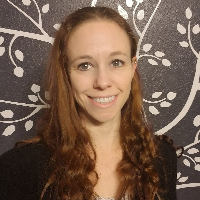
About Dana
Dana Krumholz is a Licensed Professional Counselor who helps people dealing with stress, anxiety, depression, grief, addiction, trauma, and mood concerns. She writes plainly and listens closely to understand what is most pressing. Dana focuses on practical skills that people can use between sessions to reduce overwhelm and manage strong emotions.
Dana has worked in community mental health since 2011 and brings 12 years of experience to her work. She teaches coping strategies for intrusive thoughts and practical tools for mood and anxiety problems.
Background and approach
Because she also has a background in addiction treatment, she offers guidance for people facing drug and alcohol challenges. In sessions she uses a flexible, collaborative approach. Clients set goals and Dana helps shape steps to reach them.
She often introduces skills from dialectical behavior therapy alongside problem-solving and brief, focused techniques that can be used right away. Dana runs skills-based groups and has led DBT groups for several years, and she weaves those same skills into individual sessions when they help. She favors short, usable tools for stress management, emotion regulation, and communicating needs more clearly.
Outside of therapy, Dana enjoys reading, running, and hiking as ways to recharge. She encourages clients to find simple routines that support mental health and small steps that build momentum over time.
Using skills-based therapy online
Client-Centered Therapy focuses on listening and understanding a person's experience so they feel heard and can set their own goals; it helps with anxiety, low mood, and relationship communication. Cognitive Behavioral Therapy, or CBT, looks at how thoughts, feelings, and behaviors influence each other and teaches practical steps to change unhelpful patterns, which works well for panic, depression, and social anxiety.Finding the right approach is part of the work. The therapist will ask about goals, current struggles, and preferences, and then suggest approaches to try. This is collaborative - clients and the therapist adjust methods based on what helps most over time.
Online sessions can be done by video calls, phone, live chat, or text-based messaging to fit different needs. Video calls are good for guided skill practice and closer interaction. Phone sessions can work when bandwidth is limited or for a focused check-in. Live chat and text let people share brief updates, use messaging between sessions, or take part in therapy when sitting down for a longer session is difficult. These options make it easier to keep therapy consistent around work, family needs, and daily life.
Questions people ask
What concerns does Dana commonly address?
How would you describe her therapy style?
What is her clinical background?
What credentials and location apply to this therapist?
Which languages are supported for sessions?
What session formats are available?
How are costs handled for therapy?
How do I begin working with this therapist?
What this counselor works with
Also listed
- Anger management
- Bipolar disorder
- Communication problems
- Depression
- Domestic violence
- Drug and alcohol addiction
- Family conflicts
- Grief
- Mood disorders
- Panic disorder and panic attacks
- Post-traumatic stress
- Self esteem
- Self-harm
- Social anxiety and phobia
- Women's issues
Therapeutic approaches
- Experience
- 12 years
- Licensed
- Colorado
- Languages
- English