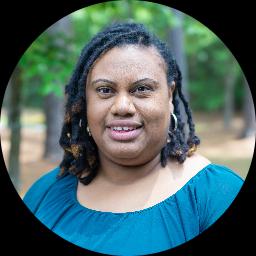
About Cierra
Cierra Brabham helps people manage stress, anxiety, depression, bipolar symptoms, trauma, and low self-esteem. She focuses on practical skills for coping with life changes and the everyday pressures that wear people down. Her approach aims to make therapy feel straightforward and useful from the first conversation.
She treats each person with respect, sensitivity, and compassion. Sessions are shaped around what matters most to the individual. Cierra uses clear goals and concrete steps rather than long lists of theory.
Background and approach
Cierra draws on several therapy styles to match what a client needs. She uses elements of cognitive behavioral therapy to identify unhelpful thinking patterns and build new habits. Acceptance and Commitment Therapy helps people clarify values and take actions that fit those values.
She also brings client-centered techniques that prioritize the client's perspective and foster a collaborative relationship. Dialectical behavior therapy skills are used when emotion regulation and distress tolerance are priorities. Existential ideas can help people facing big life questions or searching for meaning.
Cierra has eleven years of experience and holds the Licensed Professional Counselor credential and the Licensed Clinical Mental Health Counselor credential. She practices in South Carolina and conducts sessions in English. Her style is practical, direct, and focused on helping people make real changes they can keep.
People who want clear tools and steady support will find a straightforward, goal-focused process. Cierra tailors each plan to fit daily life and works with clients to track progress and adjust as needed.
How therapeutic approaches work online
Acceptance and Commitment Therapy (ACT) helps people get clear about what matters to them and take small actions that match those values despite difficult thoughts or feelings. It is useful for anxiety, low motivation, and life transitions. Cognitive Behavioral Therapy (CBT) focuses on identifying unhelpful thinking patterns and changing behaviors that keep problems in place; it is commonly used for anxiety and depression and gives concrete exercises to practice between sessions.Finding the right approach is part of the work. The therapist will listen to goals and preferences and then recommend techniques from these therapies. That process is collaborative, and methods are adjusted over time if something isn’t working or needs to be scaled up.
Online sessions offer flexibility and a range of ways to connect. Video calls allow face-to-face conversation for deeper discussion and skill coaching. Phone sessions work well when bandwidth is limited or a simpler check-in is needed. Live chat or text-based messaging can be used for short updates, quick skill reminders, or when written reflection feels easier. These options help fit therapy into busy schedules and make it easier to practice skills between meetings.
Questions people ask
What concerns does this therapist address?
How would you describe her therapy style?
What is her professional background?
Which credentials and location apply to this therapist?
Which languages are supported in sessions?
Can people outside the US work with her?
What session formats are available?
How do I begin therapy with this therapist and what does it cost?
What this counselor works with
Also listed
Therapeutic approaches
- Experience
- 11 years
- Licensed
- South Carolina, North Carolina
- Languages
- English