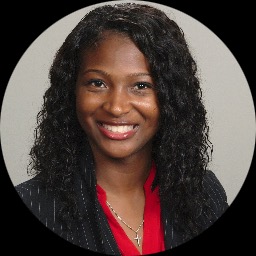
About Chasity
Chasity Chambliss is a licensed mental health counselor and LPC with 11 years of clinical experience. She works to make therapy straightforward and practical for people facing overwhelming feelings. She speaks plainly and focuses on small steps that lead to real change.
She helps people cope with depression, stress, and anxiety. She also supports those who are grieving or going through life transitions. Her areas of focus include self-esteem, forgiveness, guilt and shame, isolation and loneliness, life purpose, and self-love.
Background and approach
In sessions she treats clients as the expert on their own life. She listens first, then helps identify strengths and workable strategies. Conversations are aimed at clearing the path to better day-to-day functioning rather than at abstract theory.
Her approach is collaborative. She helps clients set achievable goals and tries methods that fit each person’s situation. Progress is reviewed often so plans can change when needed.
Chasity practices in Virginia and brings a direct, supportive style to appointments. She encourages people who feel stuck to try small experiments and practical habits that can reduce distress. The focus is on rebuilding confidence and finding more meaning in everyday life.
How therapeutic techniques translate to online care
Chasity uses evidence-based therapeutic techniques that focus on identifying unhelpful thoughts and testing new behaviors. One common approach helps people recognize patterns of thinking that increase anxiety or low mood, then practices alternative ways of thinking and responding in daily life. This is useful for stress, depression, and self-esteem work.Another strand of her work centers on grief and life transitions, using simple, structured conversations to process loss and plan gradual steps forward. These techniques help people manage strong emotions and rebuild routines that support better mood and motivation.
Choosing the right approach is a shared process. The therapist will ask about current struggles, goals, and preferences, then try methods that feel practical and useful. Progress is checked regularly and the plan is adjusted if needed.
Online therapy offers several practical benefits. Video calls allow face-to-face interaction when a longer conversation is helpful. Phone sessions can work well when bandwidth is limited or a client prefers not to be on camera. Live chat and text-based messaging support brief check-ins, daily tracking, or on-the-go reflection between longer sessions. These options make it easier to fit therapy into a busy life while keeping the work consistent and focused.
Questions people ask
What kinds of problems does she help with?
What is her therapeutic style like?
How much experience does she have?
Where is she licensed and based?
What languages are offered for sessions?
Can people outside the United States work with her?
What session formats are available?
How do I get started with therapy?
What this counselor works with
Most often
Also listed
- Experience
- 11 years
- Licensed
- Florida, Virginia
- Languages
- English