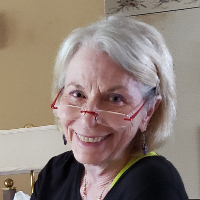
About Carrie
Dr. Carrie Willey is a Licensed Professional Clinical Counselor with more than three decades in the counseling field. She practices from Texas and brings 36 years of experience to her work.
Dr. Willey focuses on addictions, eating concerns, trauma, grief, mood and stress-related issues. She blends practical techniques with a straightforward, compassionate style.
Her background includes leadership and clinical roles in residential treatment settings that specialized in addictions and eating disorders.
Background and approach
She also provided services within Indian Health Services at tribal sites, offering assessments and treatment for substance use and other mental health concerns. Those roles shaped her comfort with culturally diverse clients and intensive care models. In sessions she commonly uses Cognitive Behavioral Therapy (CBT) and Dialectical Behavior Therapy (DBT).
She also draws from somatic practices and existential ideas when they fit a client's needs. Therapy often includes homework or brief practical assignments to keep progress moving between meetings. Dr.
Willey emphasizes strength-based work. She helps people notice what already works and reduce habits that hold them back. Conversations are intended to be direct but respectful, with a focus on real-world change.
Outside of clinical work she is an avid cyclist and enjoys long rides on the weekends. She describes herself as spiritual rather than religious and honors a range of spiritual paths. That outlook can influence how she frames meaning and values in therapy.
Therapeutic approaches and online care
Dr. Willey often uses Cognitive Behavioral Therapy (CBT) and Dialectical Behavior Therapy (DBT) in online sessions. CBT focuses on identifying unhelpful thoughts and testing new behaviors to reduce symptoms like anxiety, depression, or disordered eating. DBT emphasizes skills for emotional regulation, distress tolerance, and clearer communication when strong feelings or relationship problems get in the way.Finding the right approach is part of the work. She will collaborate with each person to decide which methods fit their goals, needs, and preferences. That means trying strategies, checking what helps, and adjusting the plan together rather than prescribing a single path up front.
Online therapy offers practical flexibility. Video calls let the therapist and client use visual cues for skills practice, while phone sessions can be helpful when bandwidth or camera use is difficult. Live chat and text-based messaging allow shorter check-ins, quick coping reminders, or ongoing support between sessions. These options make it easier to keep therapy consistent around work, caregiving, or travel.
Questions people ask
What concerns does Dr. Willey address?
How would you describe her therapy style?
What is her professional experience?
What credentials and location apply to her practice?
Which languages are used in sessions?
What session formats are available?
How is cost handled?
How do I begin working with her?
What this counselor works with
Most often
Also listed
- Abandonment
- Aging and geriatric issues
- Anger management
- Body image
- Career difficulties
- Caregiver issues and stress
- Codependency
- Communication problems
- Depression
- Dissociation
- Domestic violence
- Drug and alcohol addiction
- Eating and food-related issues
- Eating disorders
- Family conflicts
- Family of origin issues
- Forgiveness
- Guilt and shame
- Intimacy-related issues
- Midlife crisis
- Mood disorders
- Panic disorder and panic attacks
- Post-traumatic stress
- Process addiction (porn, exercise, gambling)
- Relationship issues
- Self esteem
- Sexual assault and abuse
- Social anxiety and phobia
- Stress, Anxiety
- Women's issues
- Workplace issues
Therapeutic approaches
- Experience
- 36 years
- Licensed
- Texas, New Mexico
- Languages
- English