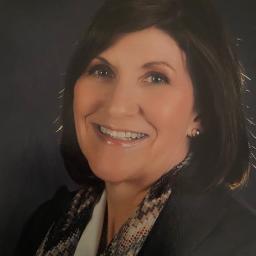
About Carolyn
Carolyn Westgate is a licensed counselor who helps people facing stress, anxiety, addiction, depression, and relationship problems. She brings 22 years of clinical experience and a calm, direct approach to sessions. Carolyn speaks English and practices from Kansas.
She focuses on practical, step-by-step work so people can manage symptoms and move toward clearer goals. Sessions often include problem-solving, skill building, and attention to how thoughts and behaviors interact. She uses methods such as cognitive behavioral tools, acceptance strategies, and solution-focused planning to match each person's situation.
Background and approach
Carolyn has a long history supporting those affected by trauma, grief, and caregiving strain. She also assists people dealing with parenting stress, adoption and foster care issues, substance use, and career-related concerns. Her background includes leadership in clinician programs and many years in independent practice.
Her style is accepting and nonjudgmental. She aims to create a simple plan the client can follow between sessions. When a different approach would be a better fit, she helps people find other options.
People who choose Carolyn can expect direct conversation, concrete strategies, and follow-up on progress. She encourages clear goals and checks in on what is or is not working. The work is collaborative and focused on usable change.
How evidence-based approaches translate to online care
Carolyn commonly uses Cognitive Behavioral Therapy and Acceptance and Commitment Therapy in her work. CBT focuses on identifying unhelpful thinking and changing behaviors through small, practical steps that reduce symptoms like anxiety, panic, and low mood. ACT emphasizes noticing difficult thoughts and feelings while clarifying personal values and choosing meaningful actions even when discomfort remains; it can be helpful for stress, grief, and long-term habit change.Finding the right approach is collaborative. Carolyn will talk through your goals and preferences, try approaches that fit your needs, and adjust plans based on what helps. The first few sessions are often about setting priorities and deciding which tools to use together.
Online sessions include video calls, phone sessions, live chat, and text-based messaging. Video lets you have more of a face-to-face conversation and practice skills in real time. Phone sessions work well when bandwidth is limited or when you prefer not to be on camera. Live chat and text messaging offer quick check-ins, brief coaching, and ongoing support between longer sessions. These options make it easier to fit therapy into busy schedules and to keep consistent momentum in the work.
Questions people ask
What kinds of concerns does she address?
How would you describe her therapeutic style?
What is her professional background?
What credentials and location are listed?
Which languages and international arrangements are supported?
What session formats are available?
How does billing and cost work?
How do I begin a therapy match?
What this counselor works with
Most often
- Stress, Anxiety
- Addictions
- Relationship issues
Also listed
- ADHD
- Adoption and foster care
- Anger management
- Blended family issues
- Career difficulties
- Caregiver issues and stress
- Co-morbidity
- Coaching
- Codependency
- Communication problems
- Depression
- Drug and alcohol addiction
- Family conflicts
- Family problems
- First responder issues
- Grief
- Infidelity
- Midlife crisis
- Mood disorders
- Panic disorder and panic attacks
- Parenting issues
- Post-traumatic stress
- Postpartum depression
- Seasonal Affective Disorder (SAD)
- Self esteem
- Social anxiety and phobia
- Trauma and abuse
- Trichotillomania
- Veteran and Armed Forces Issues
- Women's issues
Therapeutic approaches
- Experience
- 22 years
- Licensed
- Kansas
- Languages
- English