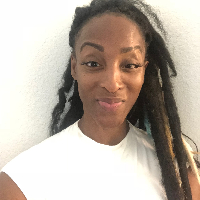
About Carla
Carla Fort is a licensed professional counselor with 14 years of experience. She approaches therapy with energy and a focus on small, steady progress. Her style is warm, encouraging, and practical, and she often brings lightness when it's helpful.
Carla helps people who are dealing with stress, anxiety, depression, grief, addictions, and anger. She also supports concerns around self-esteem, intimacy, relationships, parenting challenges, career decisions, and life purpose. Additional focus areas include codependency, abandonment, communication problems, control issues, guilt and shame, and social anxiety and phobia.
Background and approach
Her work draws on client-centered approaches that keep the person's needs first. She uses Cognitive Behavioral Therapy to identify unhelpful thinking and try new behaviors. She also brings narrative and psychodynamic ideas to understand past patterns that still affect daily life.
Sessions tend to be upbeat but grounded. Carla notices small changes and helps clients celebrate them. She will offer practical suggestions, gentle challenges, and space to reflect.
People looking for a direct, supportive counselor who values strengths and steady progress may find her approach helpful. Carla practices in California as an LPC and works to match each plan to the client's goals and pace.
Therapeutic approaches and online options
Carla uses Cognitive Behavioral Therapy to help people notice patterns in their thoughts and try different behaviors that may reduce anxiety or depression. CBT is hands-on and often includes small experiments to test new ways of thinking and acting.She also works from a client-centered perspective, which means the person sets the pace and priorities. The therapist listens closely, reflects what is said, and helps people find their own solutions and strengths.
Finding the best approach is a collaborative process. Carla will work with clients to choose methods that fit their goals, comfort level, and daily life. She adapts tools and homework so they feel useful rather than overwhelming.
Online sessions are offered as video calls, phone sessions, live chat, or text-based messaging. Video calls are useful for a face-to-face feel and visual cues, while phone sessions can be easier when bandwidth is limited or when a shorter check-in is needed. Live chat and messaging make it possible to share thoughts between scheduled sessions and can fit into busy routines. These options aim to make therapy more flexible and easier to fit into work, school, and family schedules.
Questions people ask
What kinds of concerns does she address?
How would you describe her therapy style?
What is her professional background?
Where is she licensed and based?
Does she offer sessions in other languages or to international clients?
What session formats are available?
How does payment and cost work?
How do I begin working with her?
What this counselor works with
Most often
- Stress, Anxiety
- Trauma and abuse
- Anger management
Also listed
- Abandonment
- Addictions
- Bipolar disorder
- Career difficulties
- Codependency
- Communication problems
- Control issues
- Depression
- Family conflicts
- Grief
- Guilt and shame
- Intimacy-related issues
- Life purpose
- Parenting issues
- Relationship issues
- Self esteem
- Self-love
- Social anxiety and phobia
Therapeutic approaches
- Experience
- 14 years
- Licensed
- Georgia, Texas, California
- Languages
- English